Gone Forever: When Sports Disappeared Into the Ether

The Tyranny of the TV Schedule
December 28, 1958. The Baltimore Colts and New York Giants played what many consider the greatest football game ever—the first sudden-death overtime in NFL Championship history. If you missed it live, you missed it forever. There was no replay, no highlight package, no way to ever see Johnny Unitas thread that final touchdown pass again.
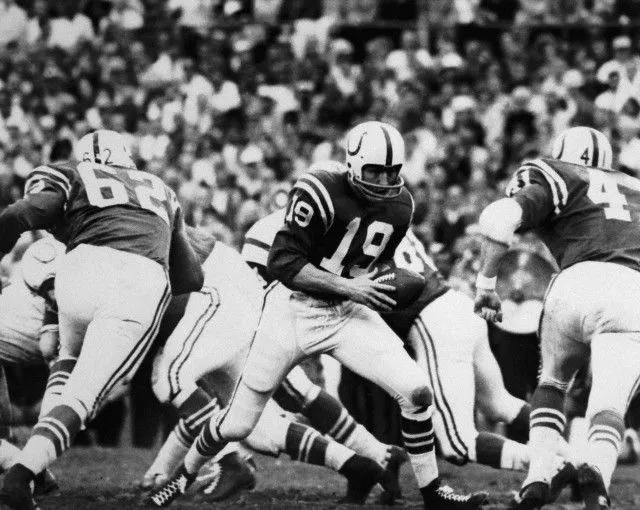 Photo: Johnny Unitas, via i.pinimg.com
For most of television history, sports existed in a cruel state of temporal dictatorship. Games happened when networks decided they happened, in the regions networks chose to show them, and if your life didn't align with their schedule, tough luck. The phrase "appointment television" wasn't marketing speak—it was survival strategy for anyone who cared about sports.
Fans built their entire weekends around a single three-hour window. Church services were scheduled around NFL games. Wedding planners learned to check the playoff calendar. Missing your team's biggest game of the season because of a family obligation wasn't just disappointing—it was a form of permanent loss that today's fans literally cannot comprehend.
Regional Blackouts and Information Deserts
Imagine being a Lakers fan living in Boston during the Magic Johnson era and never seeing your team play unless they happened to make the Finals. Local television contracts meant that most fans only saw their local teams, period. National broadcasts were reserved for special occasions, and cable television was still a luxury item for most American households well into the 1980s.
This created bizarre information asymmetries where casual fans in major markets knew more about their local teams than die-hard supporters living elsewhere. A Cleveland Browns fan who moved to Seattle might go entire seasons without seeing his team play, relying instead on newspaper box scores and the occasional radio broadcast to follow along.
ESPN launched in 1979 but didn't achieve widespread distribution until the mid-1980s. Before then, sports highlights consisted of whatever your local news decided to show during their brief sports segment—usually just the hometown teams plus maybe 30 seconds of national scores.
The Lost Art of Communal Viewing
Scarcity bred a different kind of fandom. When games were rare and precious, watching became a communal ritual. Bars would pack beyond fire code capacity for big games. Neighbors gathered around the one household with the best television reception. College dorms emptied into common rooms where dozens of students crowded around a single small screen.
This forced togetherness created shared emotional experiences that today's individualized viewing can't replicate. Everyone saw the same broadcast, heard the same commentary, and reacted in real time to the same moments. There was no rewinding to catch a play you missed while checking your phone, no switching between multiple camera angles, no second-screen statistics to distract from the raw emotion of the moment.
The social dynamics were fundamentally different too. If you wanted to discuss a game, you had to find someone else who had actually seen it—which wasn't always guaranteed. Water cooler conversations about sports required a kind of detective work to establish who had watched what and when.
The Mythology of the Unseen
Games that weren't televised achieved an almost mythical status. Radio broadcasts became the stuff of legend, with announcers like Red Barber and Vin Scully painting pictures so vivid that listeners claimed they could "see" the action. These audio-only experiences engaged the imagination in ways that today's high-definition, multi-angle coverage never could.
Some of the most famous moments in sports history were witnessed live by relatively few people. Babe Ruth's "called shot" in the 1932 World Series was seen by about 50,000 fans in Wrigley Field and nobody else—television coverage of baseball was still years away. The legend grew precisely because it couldn't be endlessly replayed and analyzed.
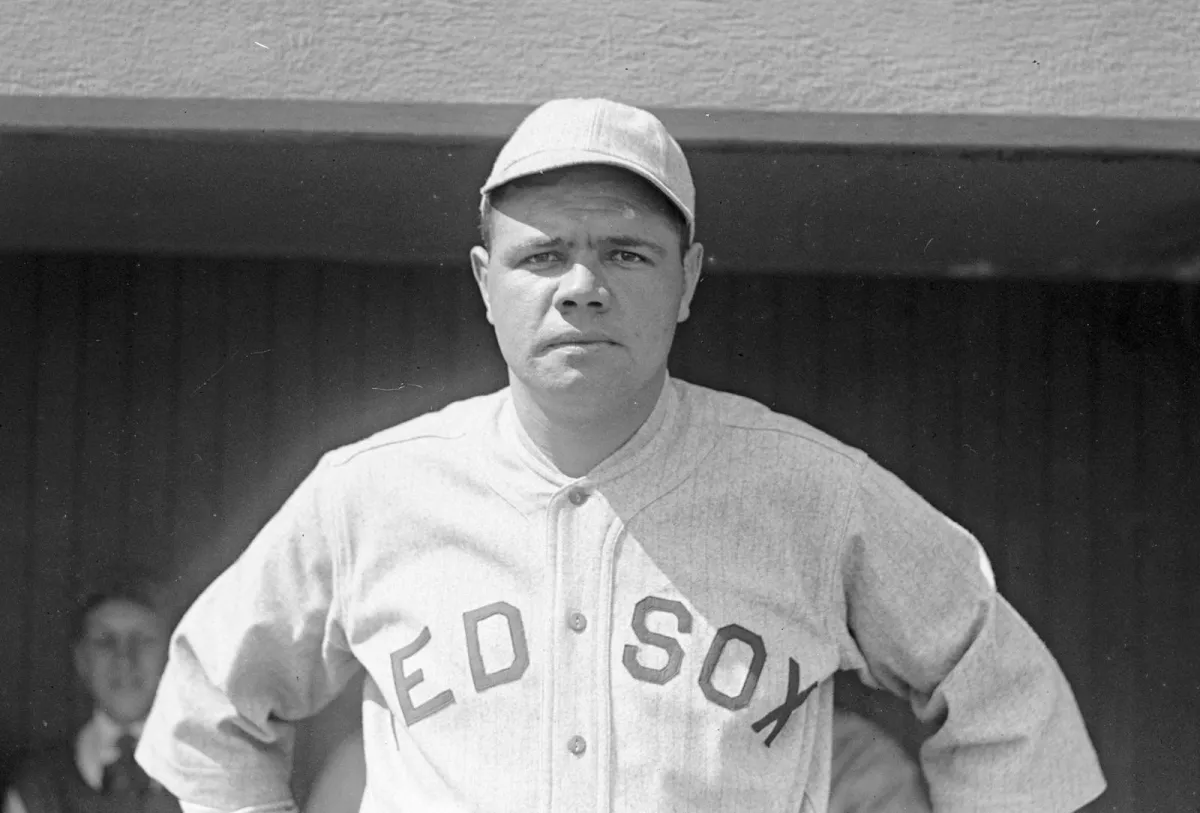 Photo: Babe Ruth, via cdn.britannica.com
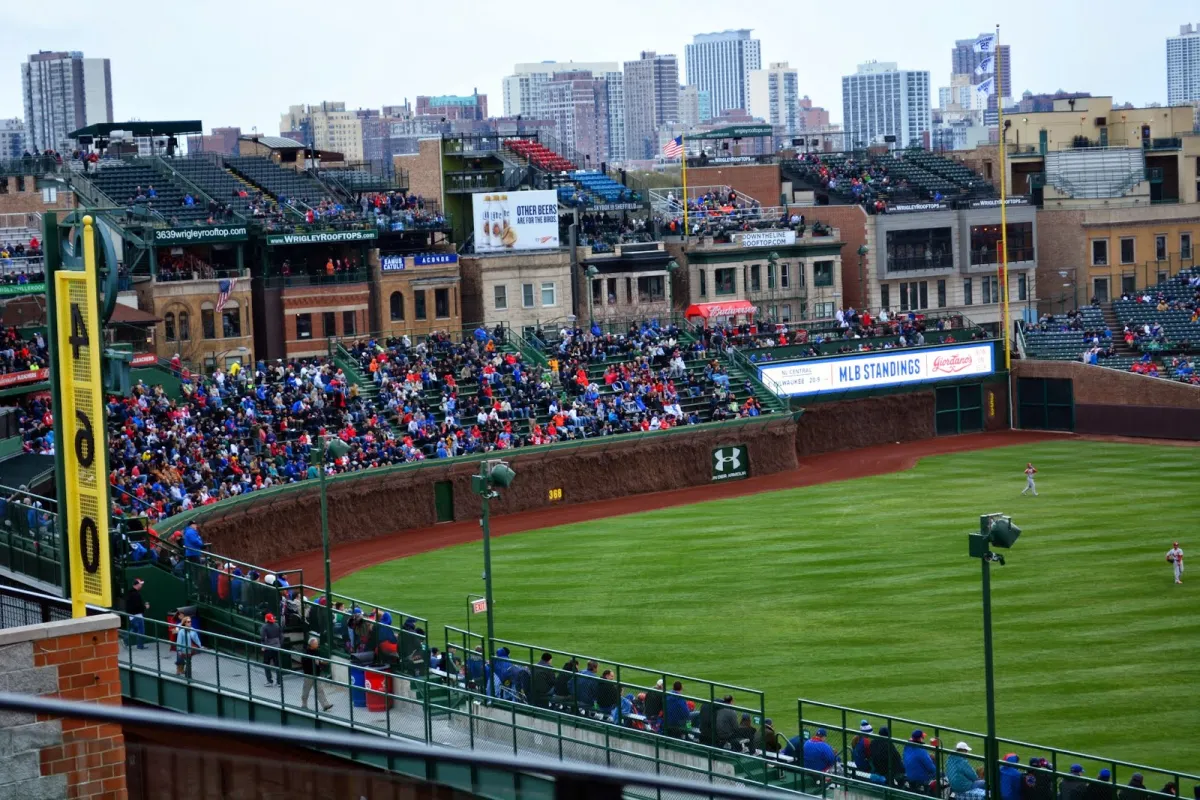 Photo: Wrigley Field, via 3.bp.blogspot.com
The Birth of Instant Everything
The transformation began gradually with VCRs in the 1980s, accelerated with DVRs in the 1990s, and reached completion with streaming services in the 2000s. Each technological leap chipped away at sports' temporal monopoly until scarcity became abundance, then abundance became overwhelming choice.
Today's sports fans can watch any game from anywhere at any time. NFL Game Pass offers every game from every season back to 2009. MLB.TV provides access to every regular season game live or on demand. YouTube is stuffed with highlight packages from games played decades ago. The idea of a sporting event "disappearing" has become almost incomprehensible.
The Paradox of Infinite Choice
But something strange happened on the way to this utopia of access: the value of individual games decreased. When everything is available, nothing feels special. Modern fans routinely skip games they know they can watch later, then never actually get around to watching them. The urgency that once drove appointment viewing has been replaced by a vague intention to "catch up" that often never materializes.
Research suggests that fans today watch more total hours of sports content but pay less attention to individual games. The background noise of constant availability has replaced the focused intensity of scarcity. We've gained convenience but lost something harder to quantify—the electric anticipation of must-see television.
The Democracy of Fandom
The positive changes are undeniable. Geographic limitations no longer determine which teams you can follow. A kid in rural Montana can be as knowledgeable about the Golden State Warriors as someone living in San Francisco. International fans can follow American sports with the same depth as domestic audiences. The barriers that once made serious fandom a privilege of location and timing have largely disappeared.
Modern technology has also democratized sports analysis. Fans can rewatch plays from multiple angles, study game film like professional scouts, and develop sophisticated understanding of strategy and technique. The casual fan of today knows more about the games they watch than experts did just a generation ago.
What We've Lost in the Translation
Yet longtime fans often speak wistfully about the intensity of the old system. When games were rare, they mattered more. When you couldn't rewind, you paid closer attention. When highlights were limited, individual moments carried more weight. The scarcity that seemed like a limitation may have actually enhanced the emotional impact of sports.
There's also something to be said for the communal aspect of shared limitation. When everyone was subject to the same broadcast schedule, sports provided genuine common cultural experiences. The water cooler conversation about last night's game assumed a shared frame of reference that no longer exists in our fragmented viewing landscape.
The Question of True Fandom
Perhaps the most provocative question raised by this transformation is whether unlimited access has fundamentally changed what it means to be a sports fan. When following your team required genuine sacrifice—rearranging your schedule, traveling to find a television, or simply accepting that you'd miss important games—fandom was a more serious commitment.
Today's effortless access might have made us all more casual in our devotion, even as we consume more content than ever before. The paradox of our current moment is that it's easier than ever to be a sports fan, but harder than ever to feel like sports truly matter.
In the end, we've traded the beautiful tyranny of scarcity for the comfortable abundance of choice. Whether that represents progress or loss depends entirely on what you think sports should be: appointment television that stops the world, or background entertainment that fits conveniently into our busy lives.