Handshake Deals and Hometown Loyalty: When Athletes Negotiated Million-Dollar Careers Without a Clue

The Conference Room Ambush
In 1978, future Hall of Fame linebacker Jack Ham walked into the Pittsburgh Steelers' front office for what he thought would be a routine contract discussion. Across the table sat team executives with law degrees and decades of negotiating experience. Ham brought himself, a high school education, and complete trust in the organization that had drafted him.
 Photo: Pittsburgh Steelers, via assets.turbologo.com
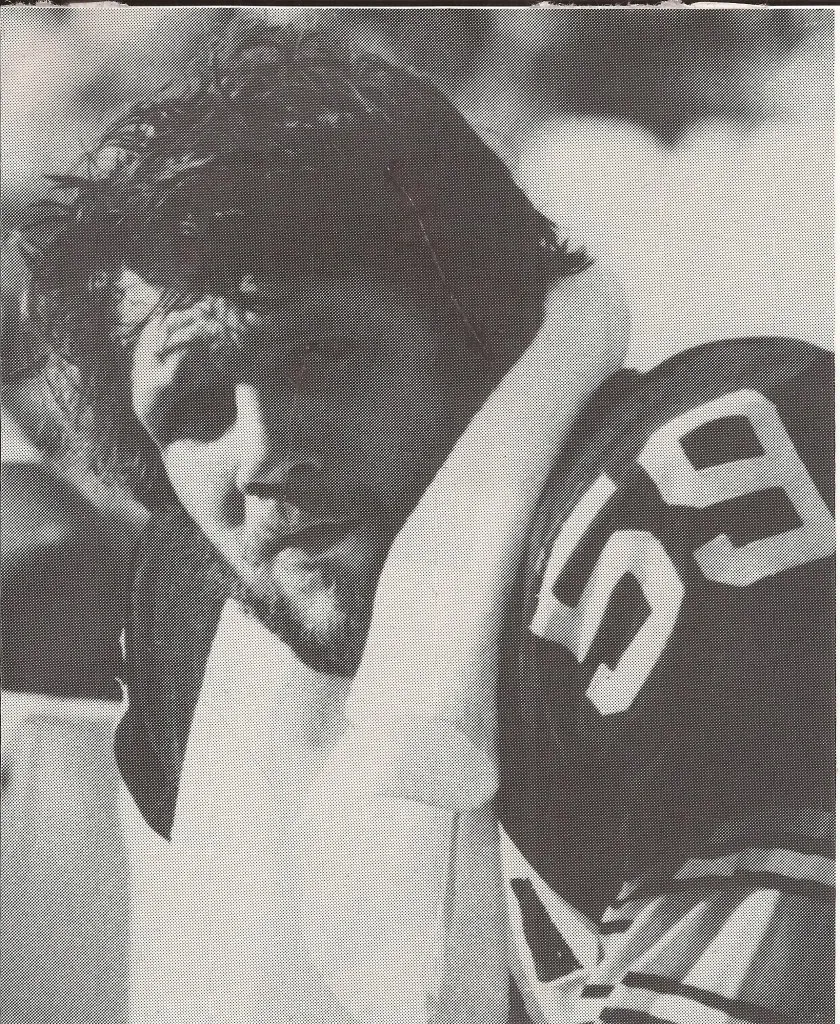 Photo: Jack Ham, via ccshof.org
Thirty minutes later, he'd signed a four-year deal that locked him into below-market wages with performance clauses he didn't fully understand. Ham wasn't naive – he was operating in a system where players were expected to be grateful for whatever teams offered, and questioning the details was seen as ungrateful or greedy.
This wasn't unusual. It was standard operating procedure across American professional sports.
David vs. Goliath, Every Time
For most of professional sports history, contract negotiations resembled peace talks between warring nations – if one side showed up without diplomats, lawyers, or translators. Team executives were sophisticated businessmen who understood contract law, salary cap implications, and market leverage. Players were athletes who understood their sport, not legal documents.
The power imbalance was staggering. Teams drafted contracts filled with complex clauses, incentive structures, and escape mechanisms that favored the organization. Players would sit in meetings listening to terms they barely comprehended, often with no independent counsel to explain what they were actually agreeing to.
Many players signed contracts they couldn't afford to have reviewed by attorneys. The irony was cruel – they needed representation to negotiate deals worth enough money to pay for representation.
The Culture of Gratitude
The prevailing attitude was that playing professional sports was a privilege, not a profession. Players were expected to be thankful for the opportunity, not demanding about compensation. Questioning contract terms was seen as challenging the natural order of things.
Team owners cultivated paternalistic relationships with players, positioning themselves as benevolent father figures rather than business adversaries. They'd invite players to family dinners, offer personal advice, and create emotional bonds that made hardball negotiations feel like betraying a family friend.
This manipulation was particularly effective with young players from modest backgrounds who viewed team executives as sophisticated mentors. The idea that these same mentors might be taking advantage of them financially seemed impossible.
The Hidden Costs
The financial consequences were enormous, but the personal costs were often worse. Players would discover years later that they'd signed away rights they didn't know they possessed. Licensing deals, merchandising agreements, and image rights were routinely included in standard contracts without explanation.
Injury clauses were particularly devastating. Players would unknowingly agree to contracts that voided guaranteed money if they suffered certain types of injuries, or that allowed teams to terminate deals based on medical evaluations conducted by team-employed doctors.
Retirement planning was nonexistent. Players signed contracts with immediate benefits but no long-term security, often discovering too late that their "guaranteed" money came with conditions that made it anything but guaranteed.
The Pioneering Representatives
The transformation began slowly in the 1960s and 1970s as a few players started hiring representation. Early agents were often lawyers or business managers who understood contracts but not sports. They had to learn the industry while fighting skepticism from teams, media, and even other players.
Team executives initially refused to negotiate with agents, insisting on dealing directly with players. When that became impossible, they tried to marginalize agents by portraying them as greedy outsiders who were corrupting the pure relationship between teams and athletes.
The breakthrough came when high-profile players started achieving dramatically better deals through representation. Word spread quickly through locker rooms, and the stigma around hiring agents began to fade.
The Modern Machinery
Today's contract negotiations involve teams of specialists on both sides. Player agents are often former executives, lawyers, or MBA graduates who understand salary caps, luxury tax implications, and market dynamics as well as anyone in team front offices.
Contracts now include protections that didn't exist in the handshake era: guaranteed money, injury protection, no-trade clauses, performance bonuses, and escalators tied to league-wide salary growth. Players have independent medical evaluations, financial advisors, and legal teams reviewing every clause.
The complexity has increased exponentially. Modern NFL contracts can run dozens of pages and include contingencies for scenarios that might never occur. NBA deals factor in salary cap projections, trade scenarios, and performance metrics that require advanced analytics to evaluate.
The Power Shift
The rise of player representation fundamentally altered the balance of power in professional sports. Teams can no longer rely on information asymmetry or emotional manipulation to secure favorable deals. Negotiations now occur between equals who understand both the business and legal implications of every contract term.
This shift coincided with explosive revenue growth across all major sports, creating a virtuous cycle where better representation led to higher salaries, which attracted better representation. The best agents now command the same respect as team executives and often move between representing players and working for organizations.
Player unions have also evolved from fraternal organizations into sophisticated bargaining units that negotiate collective bargaining agreements rivaling any major industry contract.
The Unintended Consequences
But professionalization came with costs. The paternalistic relationships between teams and players, however manipulative, created genuine bonds and loyalty that largely disappeared. Players now view teams as business partners rather than families, which is more honest but less emotionally satisfying.
The financial stakes have become so enormous that contract negotiations often overshadow the sports themselves. Holdouts, trade demands, and salary disputes dominate coverage in ways that would have been unthinkable when players simply accepted whatever teams offered.
Young players now enter professional sports with financial advisors, marketing teams, and business managers before they've played a professional game. The innocence of simply wanting to play the sport they love has been replaced by sophisticated career management from day one.
Looking Back
The era when athletes negotiated million-dollar careers without understanding the documents they signed seems almost mythical now. The transformation from handshake deals to contract negotiations that require teams of lawyers represents one of the most dramatic shifts in American professional sports.
We've gained fairness, transparency, and financial security for athletes. But we've also lost something harder to quantify – the simplicity of an era when playing professional sports felt like exactly that, rather than managing a complex business enterprise.
The players who signed those early contracts without representation weren't naive. They were operating in a system designed to keep them powerless. The real question isn't whether they should have known better, but how that system persisted for so long without anyone questioning whether it was fair.
Were we ever really there, in that world where million-dollar athletes sat across from team executives with nothing but trust and hope? Absolutely. And while we're undoubtedly better off now, something genuinely human was lost when handshake deals gave way to 50-page contracts.