
When Recruiting Was a House Call
In 1974, when future NFL Hall of Famer Tony Dorsett was being recruited by the University of Pittsburgh, the entire process consisted of head coach Johnny Majors driving to the Dorsett family home in Aliquippa, Pennsylvania, sitting at their kitchen table, and explaining why Tony should become a Panther. No recruiting coordinators, no multimedia presentations, no NIL negotiations. Just a coach, a family, and a conversation that would change a young man's life.
 Photo: Aliquippa, Pennsylvania, via c8.alamy.com
 Photo: University of Pittsburgh, via mir-s3-cdn-cf.behance.net
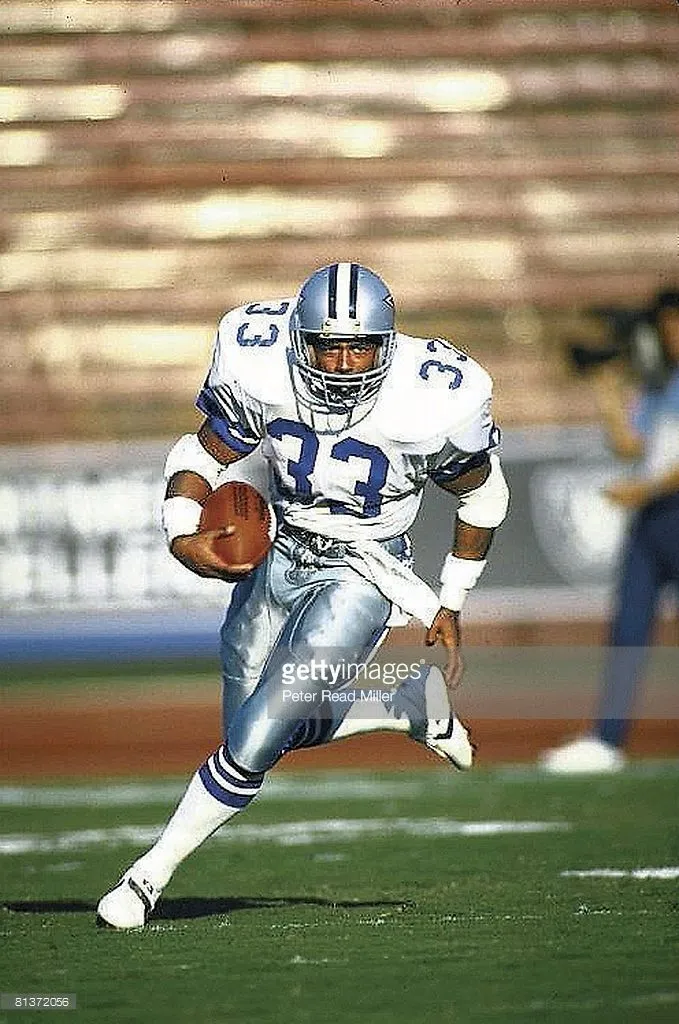 Photo: Tony Dorsett, via i.pinimg.com
The scholarship offer came on a single sheet of paper. The "official visit" was Dorsett and his father driving ninety minutes to see the campus. The commitment was sealed with a handshake and the understanding that both sides would honor their word. This wasn't an unusual recruiting story—it was how every major college football program operated.
The Simple Mathematics of Recruitment
College football recruiting in the 1970s operated on radically different economics and logistics. Coaches had tiny budgets for travel and communication. Long-distance phone calls were expensive luxuries. There was no internet, no social media, no video streaming. Evaluating talent meant physically watching games or relying on recommendations from high school coaches.
Most recruiting "databases" were index cards in filing cabinets, organized by position and state. Coaches tracked prospects using handwritten notes and relied on word-of-mouth networks that took months to develop reliable information. The entire recruiting apparatus for a major program might consist of the head coach, two assistants, and a secretary who answered the phone.
Compare this to today's recruiting industrial complex. Major programs now employ dedicated recruiting coordinators, video analysts, social media specialists, and data scientists. They maintain digital databases tracking thousands of prospects, complete with detailed analytics on everything from 40-yard dash times to social media engagement rates.
The Kitchen Table Conference Room
Home visits were the cornerstone of 1970s recruiting, but they bore no resemblance to today's elaborate productions. A coach would drive to a prospect's house—often hundreds of miles—carrying a simple folder with team information and scholarship paperwork. The "presentation" happened around the family dining table, with parents asking practical questions about education, dormitory life, and career preparation.
These weren't sales pitches; they were conversations between adults making serious decisions about a teenager's future. Coaches talked about academic programs, graduation rates, and what life would be like for their son far from home. Parents evaluated coaches as surrogate father figures, not marketing representatives.
The intimacy was unprecedented by today's standards. Families often invited coaches to stay for dinner, creating personal relationships that lasted decades. Coaches knew players' siblings, understood family financial situations, and made commitments based on genuine personal connections rather than recruiting rankings.
When a Scholarship Meant Everything
The scholarship itself was a straightforward proposition: tuition, room, board, and books in exchange for four years of football eligibility. There were no performance bonuses, no endorsement opportunities, no transfer portal escape clauses. Both sides understood they were making a four-year commitment based on mutual trust.
Families treated scholarship offers with reverence that's hard to imagine today. For many working-class families, a college scholarship represented the first opportunity for higher education in their family history. The decision carried enormous weight because alternatives were limited—junior college, military service, or entering the workforce immediately after high school.
Coaches, too, viewed scholarships as serious investments. With limited roster spots and no transfer portal to quickly replace mistakes, every recruitment decision had long-term consequences. Programs lived or died based on their ability to identify character and potential, not just athletic ability.
The Honor System
Verbal commitments in the 1970s carried moral weight that seems almost quaint now. When a player gave his word to a coach, both sides considered the matter settled until signing day. Decommitments were rare and viewed as serious breaches of trust that could damage relationships between high schools and colleges for years.
Coaches, too, honored their commitments even when better players became available. The recruiting process operated on handshake agreements and personal integrity rather than legal contracts and financial leverage. This created stability that allowed both players and programs to plan years in advance.
The simplicity extended to official visits. Prospects might spend a weekend on campus, attend a football game, meet some professors, and tour the facilities. No elaborate entertainment, no celebrity guest speakers, no social media campaigns. The goal was to show recruits what college life would actually be like, not to create an artificial experience designed for maximum impact.
The Modern Recruiting Revolution
Today's college football recruitment resembles a cross between corporate headhunting and professional sports free agency. Top prospects receive scholarship offers from dozens of schools before their junior year of high school. Recruiting services rank players nationally, creating markets for athletic talent that didn't exist in previous generations.
Name, Image, and Likeness (NIL) deals have transformed recruitment into financial negotiations. Top prospects now consider endorsement opportunities, social media follower counts, and brand-building potential alongside traditional factors like coaching and education. Some high school players earn more from NIL deals than their future coaches made in annual salary during the 1970s.
The transfer portal has eliminated the permanence that once defined college athletics. Players can change schools with minimal restrictions, turning recruitment into an ongoing process rather than a one-time decision. Coaches must now recruit their own players every year, competing against other programs for athletes already on their rosters.
The Personal Touch, Lost
Modern recruiting operates at scale that would have been impossible in earlier eras. Coaches can evaluate thousands of prospects through video analysis, communicate instantly through social media, and track detailed performance metrics across multiple platforms. But this efficiency comes at the cost of the personal relationships that once defined the process.
Today's recruits might commit to schools they've never visited, coaches they've barely spoken with, and programs they know primarily through highlight videos and social media content. The kitchen table conversations that once shaped these decisions have been replaced by Zoom calls, text messages, and carefully orchestrated campus experiences designed for maximum impact rather than genuine connection.
The stakes have escalated beyond recognition. Top high school prospects now hire agents, conduct media interviews, and stage commitment announcements that resemble professional sports press conferences. What was once a private family decision has become public entertainment, complete with television coverage and social media speculation.
When Simple Meant Sincere
The contrast between past and present recruiting reveals how completely college football has transformed. The 1970s process, while limited by technology and resources, created genuine relationships between coaches, players, and families. Decisions were made based on personal trust and long-term commitments rather than short-term advantages and financial opportunities.
That world required more from everyone involved. Coaches had to be genuine salespeople, selling their programs based on personal credibility rather than elaborate presentations. Families had to make life-changing decisions with limited information, trusting their instincts and the character of the adults asking for their sons. Players had to honor commitments even when better opportunities emerged.
Were we ever really there, when college football recruiting happened over coffee and conversation rather than contracts and compensation? When a coach's word and a family's trust were sufficient to build championship programs? That world of simple recruiting seems almost impossible now—a reminder that progress in sports isn't always progress in humanity.