After the Final Whistle, They Just Went Home: The Quiet Disappearance of the Retired Athlete
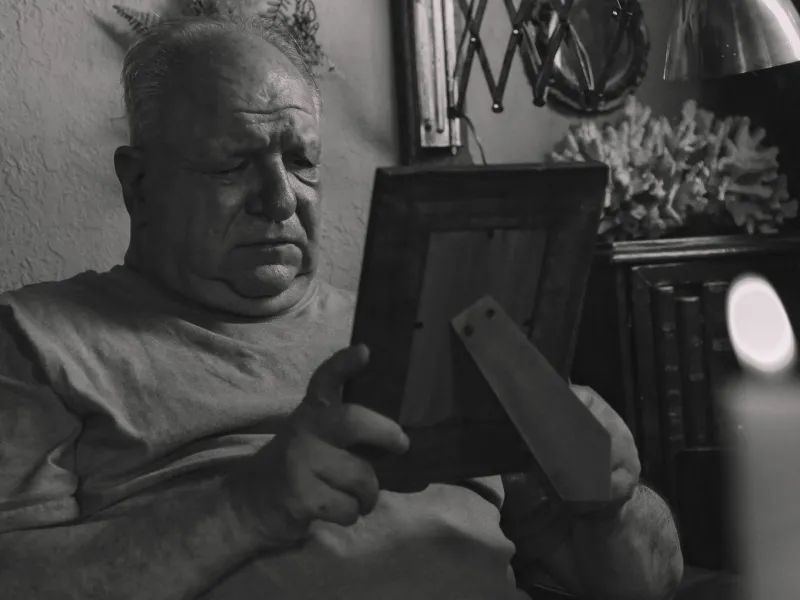
In 1953, a celebrated major league outfielder played his last professional game, cleaned out his locker, and drove home to the mid-sized Ohio city where he'd grown up. He opened a hardware store. He coached Little League. He showed up at the occasional alumni dinner. Within a few years, most fans outside his hometown had largely forgotten his name.
This was not unusual. This was the default.
For the better part of the twentieth century, athletic retirement was a genuine ending — not a transition, not a pivot, not a rebrand. The crowd stopped watching, and the athlete stopped being watched. The two things happened at roughly the same time, and nobody thought much of it.
The Exit Was Real
The structure of mid-century American life made athletic invisibility after retirement almost inevitable. There was no television infrastructure hungry for former player commentary. There were no sports talk radio shows with six-hour daily blocks to fill. The concept of a "media personality" who happened to have once played professionally didn't really exist as a career path.
Retired athletes went back to regular life because regular life was what was available. They sold insurance. They managed car dealerships. They coached high school football in towns that remembered their names. Some became scouts for the teams they'd played for, staying connected to the game in a quiet, professional capacity that kept them almost entirely out of public view.
A lucky few — the truly famous ones, the names that transcended their sport — might land a beer commercial or a speaking engagement circuit. But even those arrangements were modest by today's standards, and they faded quickly. The half-life of athletic fame, without any mechanism to sustain it, was short.
What Memory Looked Like Without Media
Fan memory in that era was a different thing than it is now. It was local, personal, and finite. If you saw a great shortstop play in 1941 and never encountered his name again after 1949, your memory of him lived only in conversation — stories told to your kids, arguments settled at the bar, the occasional newspaper retrospective on a slow sports Sunday.
There were no highlight packages available on demand. No documentary series revisiting the careers of overlooked legends. No algorithm surfacing old footage to a new generation. The athletes of the past existed in collective memory in the way that most things existed before the internet: imperfectly, incompletely, fading at the edges.
This had a certain honesty to it. Athletic greatness was understood as something that happened in real time, witnessed by the people who were there. It didn't need to be maintained or monetized. It just was — and then, gradually, it wasn't.
The Infrastructure That Changed Everything
The shift didn't arrive all at once. It built slowly through the second half of the twentieth century, driven by the expansion of television, the growth of sports radio, and eventually the arrival of cable networks that needed content around the clock.
ESPN, launched in 1979, created something that hadn't existed before: a 24-hour appetite for sports content that extended well beyond the games themselves. Former players became analysts. Former coaches became studio personalities. The retired athlete, who had previously had nowhere to go after the final game, suddenly had a job waiting — if they were willing to learn a new set of skills and a new kind of performance.
Some were naturals. Some were disasters. But the option existed in a way it never had before, and it gradually rewired how athletes thought about their careers — not as something with a clear endpoint, but as something that could be extended, repackaged, and sold in different forms indefinitely.
The Brand That Never Retires
Today, the post-playing career is a legitimate industry. Athletes build social media audiences during their playing days with explicit awareness that those audiences will outlast their contracts. They launch podcasts, clothing lines, investment portfolios, and production companies. They appear on reality television. They become venture capitalists. They write memoirs, start foundations, and develop coaching brands.
LeBron James's business footprint is larger now than it was at the peak of his playing dominance. Michael Jordan earns more from his Nike deal in retirement than he did during his entire playing career. Retired quarterbacks become television personalities with contracts worth tens of millions of dollars. The game ended; the enterprise didn't.
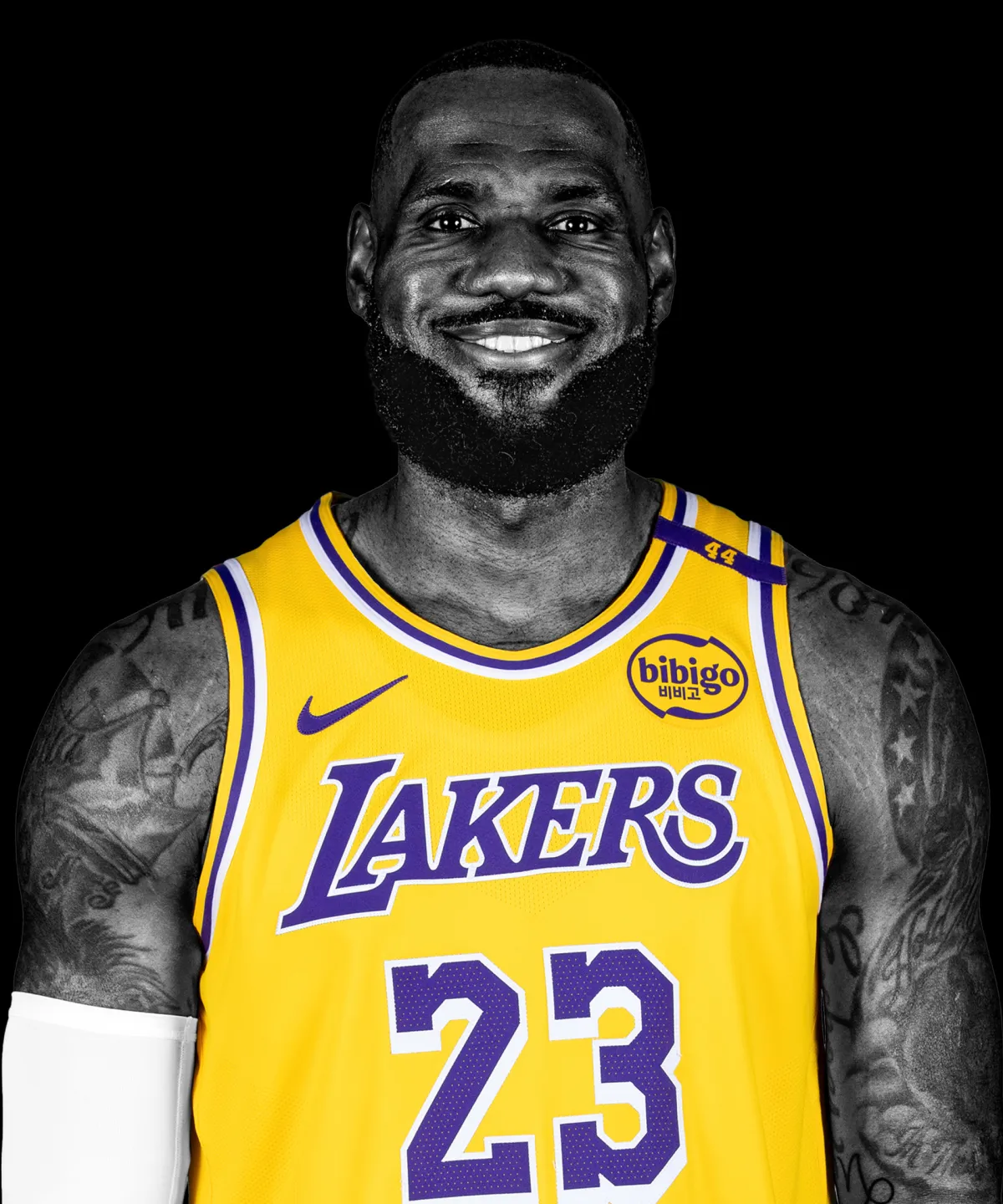 Photo: LeBron James, via lalweb.blob.core.windows.net
This isn't cynical. Athletes are making rational choices within a system that rewards visibility and brand maintenance. But it does mean something has changed about what athletic identity is — and what it's for.
When a career never really ends, when the retired athlete is still everywhere — on your podcast app, in your social feed, endorsing products, offering opinions — the relationship between fan and athlete becomes something different from what it used to be. It's more continuous, more intimate in some ways, and more commercial in others.
Were We Ever Here?
There's something worth pausing on in the old model — not to romanticize it, but to understand what it meant. The hardware store owner in Ohio who'd once been a celebrated outfielder wasn't being forgotten because people didn't care. He was being forgotten because the culture didn't have a mechanism for keeping him visible.
In that absence, his playing days became something that belonged to the people who'd actually seen him play. A shared, finite, unrepeatable experience. The kind that doesn't get a podcast episode or a Netflix doc or a brand partnership announcement.
We've built an extraordinary machine for preserving and extending athletic identity. What we've maybe lost is the sense that some things are allowed to be over — that the ending of a career can be a real ending, and that there's a quiet dignity in stepping off the field and simply going home.