Strangers in a Strange Town: What It Used to Mean to Play on the Road
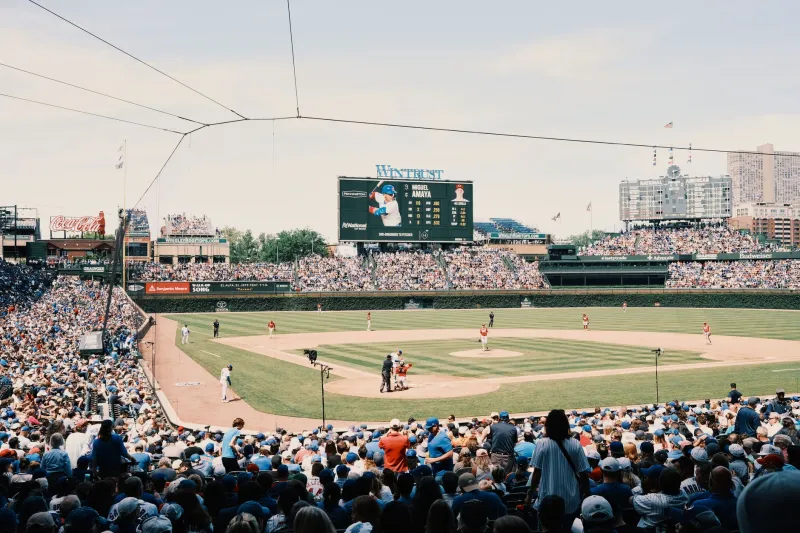
Think about the last time you watched a road game and noticed the visiting team's fans scattered through the stands — their jerseys bright against the home crowd's colors, their cheers cutting through the noise every time something went right for their side. That presence, that rivalry carried into enemy territory, feels like a fundamental part of professional sports. It's practically cinematic.
It wasn't always like that. For a long stretch of American sports history, the away team was less a rival and more an inconvenience — a group of strangers who arrived by train, played the game, and left before most of the locals could form an opinion about them.
The Logistics of Getting There
In the early decades of the NFL and Major League Baseball, road travel was grueling in ways that are genuinely difficult to imagine today. Teams moved primarily by train, which meant overnight journeys in cramped sleeper cars, irregular sleep schedules, and arriving in a city stiff, tired, and operating on whatever food the dining car had managed to put together.
The conditions weren't uniform. Home teams generally controlled the facilities, and visiting clubs often got the short end of every logistical arrangement — smaller locker rooms, less access to training equipment, and in some cases, outright hostility from stadium staff who made no secret of which side they were on. There were no dedicated visiting team trainers traveling with the club in many cases, no advance scouts who had prepared detailed breakdowns of the home roster, and no sports psychologists helping players mentally compartmentalize the hostile environment.
You just showed up and dealt with it.
The Invisible Visiting Team
Here's something that gets lost in the modern sports conversation: for much of the twentieth century, visiting teams were essentially anonymous to the home crowd. This wasn't just indifference — it was a structural reality. Without national television coverage, without highlight reels, without the internet or social media or even reliable sports radio, fans in Pittsburgh might genuinely know almost nothing about the team coming in from Los Angeles.
They knew their own players. They knew their own team's history and rivalries. The visitors were abstractions — names in a box score, faces they'd never seen move. There was no way to develop a real emotional relationship with a team you'd never watched play a complete game.
This changed the character of road games fundamentally. The visiting team wasn't the villain in a compelling drama. They were just the obstacle. There was no chant for the opposing star player, no recognition when he made a great play, no complex mixture of respect and hostility that today's sports crowds bring to marquee matchups. The away team played, largely, in a kind of cultural vacuum.
How Television Rewired Everything
The arrival of national sports broadcasting didn't just bring games into American living rooms. It gradually built something that had never existed before: a genuinely national sports audience with genuine emotional investment in teams from cities they'd never visited.
By the time Monday Night Football launched in 1970, millions of Americans were watching road games every week — not as neutral observers, but as invested fans of one side or the other. The visiting team's quarterback had a face now. He had a backstory. He'd been profiled in a magazine and interviewed on a pregame show. When he walked into a hostile stadium, the people in the stands had opinions about him that went far beyond what they'd read in the morning paper.
That shift created something new: the traveling fan. Once people had strong emotional connections to teams outside their own city, it became worth it — financially and personally — to follow those teams on the road. By the 1980s and 1990s, it was common to see significant pockets of visiting team supporters at major games. Today, some road games — particularly playoff matchups or rivalry games in neutral-market cities — can feel almost split down the middle.
Merchandise, Media, and the Making of a Road Trip
The rise of licensed sports merchandise accelerated the transformation in ways that are easy to underestimate. When you can buy a jersey at a mall in any state in the country, fan identity becomes portable. The Cowboys fan in Phoenix, the Red Sox fan in Chicago, the Lakers fan in Atlanta — these people exist in enormous numbers, and when their team comes to town, they show up.
National media coverage deepened the connection further. ESPN's SportsCenter, launched in 1979, began building a shared national sports vocabulary that made every team's stars recognizable coast to coast. The internet turned that process into something instantaneous. A player could go viral with a single highlight clip and be recognized by fans in cities he'd never played in before his next road trip.
The modern road game, as a result, carries a weight that simply didn't exist in the sport's earlier decades. When the Chiefs visit a rival stadium, there are Chiefs fans in that building who drove hours to be there. There are television cameras capturing every angle. There are social media posts going out in real time. The visiting team isn't invisible anymore — they're often the reason the tickets sold out.
The Road as Stage
Something interesting happened when the road game stopped being a hardship and started being a spectacle: it became one of sports' most compelling narratives. Winning on the road, in front of a hostile crowd, against a team that had every environmental advantage — that story carries a specific kind of drama that home victories simply can't replicate.
The best athletes in every sport have road legacies. Michael Jordan in hostile arenas. Tom Brady engineering late drives in deafening stadiums. Derek Jeter in Fenway Park. The road game, once a logistical inconvenience that teams endured, became the ultimate test of character — the place where greatness gets confirmed or exposed.
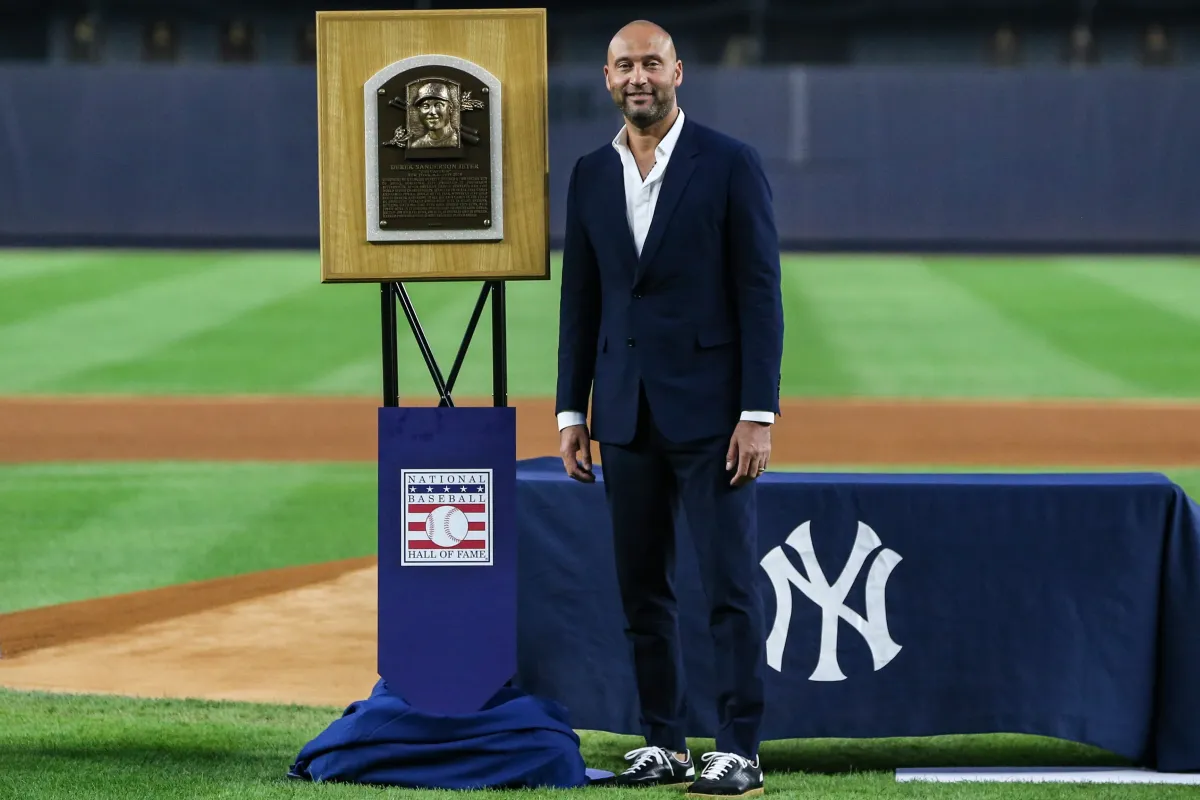 Photo: Derek Jeter, via platform.pinstripealley.com
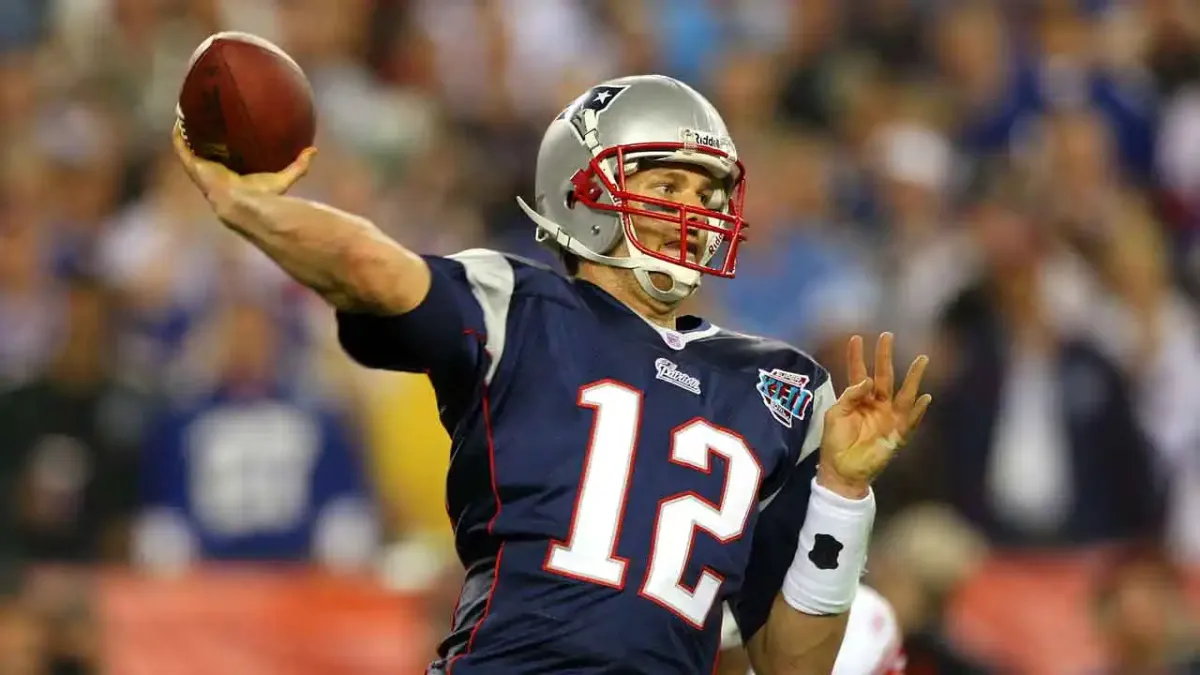 Photo: Tom Brady, via static.foxnews.com
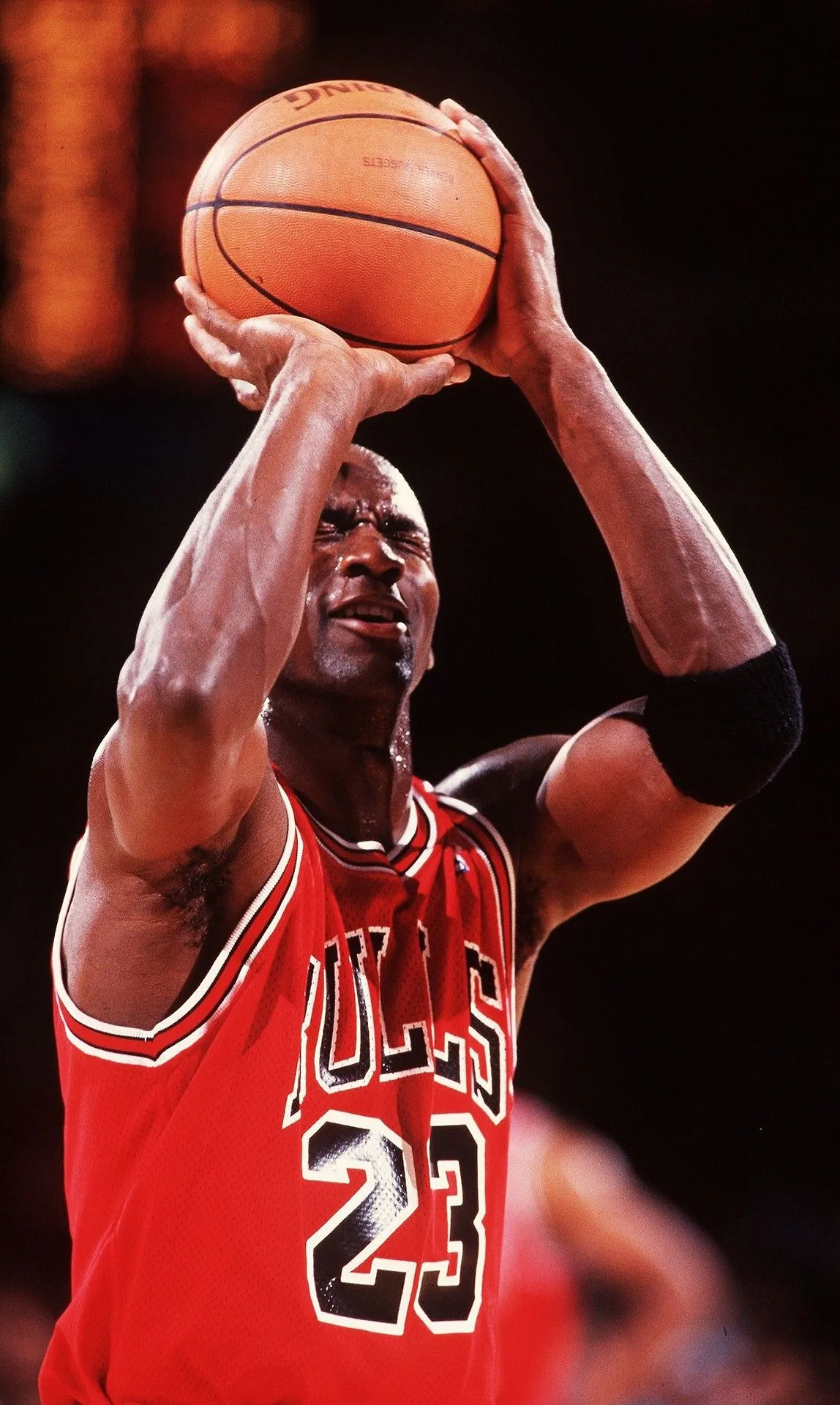 Photo: Michael Jordan, via i.pinimg.com
The strangers who used to arrive in town without a following, play in front of indifferent crowds, and disappear on the overnight train are long gone. In their place: a traveling circus of rival fandom, national media attention, and storylines that millions of people follow in real time. The away game nobody watched became the game everyone wanted a ticket to. That's one of sports' quieter revolutions — and one of its most complete.