The Checkout Line Reality
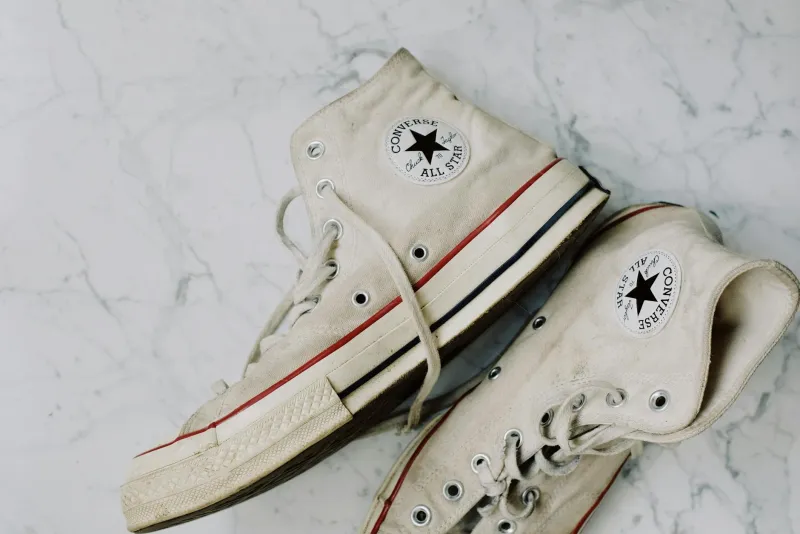
Picture this: It's 1975, and Kareem Abdul-Jabbar, fresh off leading the Lakers to another playoff run, walks into a Los Angeles sporting goods store. Not for a photo shoot or endorsement deal, but to buy his own basketball shoes. He picks up a pair of Converse All Stars—the same canvas sneakers college kids wore—pays the $12.95 retail price, and heads home.
This wasn't unusual. It was Tuesday.
For decades, professional basketball players purchased their own equipment like any weekend warrior. The idea that shoe companies would pay athletes millions to wear their products? That seemed as far-fetched as playing games on the moon.
When Gear Was Just Gear
During the 1960s and early 1970s, most NBA players wore whatever they could afford or whatever felt comfortable. Converse Chuck Taylor All Stars dominated the league not because of marketing genius, but because they were reliable, affordable, and available everywhere. Players would often buy multiple pairs at the start of the season, knowing they'd wear through the soles by February.
Wilt Chamberlain, despite being the league's biggest star, famously wore the same style of Converse throughout his career—not because of a lucrative deal, but because he found a model that fit his massive feet. When those shoes wore out, he'd drive to the nearest sporting goods store and buy replacements off the shelf.
The equipment budget for most teams was practically nonexistent. Players received uniforms and little else. Everything from ankle tape to mouthguards came out of their own pockets. For many players earning modest salaries, a $15 pair of sneakers represented a meaningful expense.
The Slow Burn Revolution
The first cracks in this system appeared in the late 1960s when Converse began offering small payments to select players. These weren't endorsement deals as we understand them today—they were more like modest rebates. A star player might receive $1,000 per year and a few free pairs of shoes. Most players still bought their own equipment.
Puma made early moves in the 1970s, offering Walt Frazier a small deal that included custom colors for his shoes. But even these arrangements were handshake agreements worth a few thousand dollars at most. The idea of guaranteed money, signature shoes, or marketing campaigns was still years away.
Adidas entered the basketball market in the mid-1970s with slightly more aggressive tactics, offering better compensation to a handful of college and professional players. But the amounts were still modest—enough to cover equipment costs, not enough to change anyone's lifestyle.
The Jordan Earthquake
Everything changed in 1984 when a young Michael Jordan signed with Nike. The deal—$500,000 per year plus stock options and his own signature shoe line—shattered every precedent. Suddenly, shoes weren't just equipment; they were brands, statements, and cultural phenomena.
But here's what makes Jordan's deal so remarkable: just five years earlier, most NBA players were still buying their own sneakers. The transformation happened that quickly.
Nike's gamble paid off beyond anyone's wildest projections. The Air Jordan line generated $126 million in revenue during its first year—more than Nike's entire basketball division had ever earned. Other companies scrambled to sign their own stars, launching the endorsement arms race that continues today.
The Price of Progress
Today's top NBA players earn more from shoe deals than many entire teams' payrolls from the 1970s. LeBron James's lifetime deal with Nike is reportedly worth over $1 billion. Stephen Curry's Under Armour contract includes equity stakes that could make him one of the company's largest individual shareholders.
These modern deals include not just money and free gear, but entire marketing departments, signature shoe lines, and global advertising campaigns. Players have input on design, materials, and even the factories where their shoes are manufactured.
The contrast is staggering. In 1975, Julius Erving bought his own sneakers at a Philadelphia sporting goods store for $14. In 2023, his spiritual successor, Joel Embiid, signed a shoe deal worth $15 million per year.
What We Lost and Gained
The old system had an undeniable authenticity. Players wore what worked, not what paid. Equipment choices were based on performance and personal preference rather than marketing strategies and focus groups.
But the modern system has elevated basketball to unprecedented heights. Shoe deals provide financial security that allows players to focus purely on their craft. The marketing machinery has made the NBA a global phenomenon, bringing basketball to corners of the world that never would have discovered the sport otherwise.
The Ripple Effect
The transformation of basketball shoe endorsements changed more than just player bank accounts. It created entire industries—sports marketing, athlete branding, and sneaker culture. It turned shoes into collectibles, fashion statements, and investment vehicles.
Today's NBA rookies sign shoe deals before they play their first professional game. The infrastructure that once required players to shop for their own gear now employs thousands of people across design, marketing, manufacturing, and retail.
Looking back, it's remarkable how quickly everything changed. One generation of players bought their own equipment; the next became global brands. The NBA went from a league where stars shopped like everyone else to one where their shoe deals are front-page news.
In just four decades, basketball sneakers evolved from simple athletic equipment to cultural currency. And it all started with players who had to reach for their own wallets every time they needed new shoes.