The Fax Machine Gamble
February 18, 1993. The NBA trade deadline looms just hours away, and Seattle SuperSonics general manager Bob Whitsitt is frantically trying to complete a deal that would reshape his franchise. The trade is agreed upon in principle: All-Star guard Gary Payton to the Miami Heat for a package of players and draft picks.
There's just one problem. The fax machine in Miami's front office has been jamming all morning.
Whitsitt watches the clock tick toward the 3 PM Eastern deadline while Heat executives in Florida desperately try to clear a paper jam, find replacement toner, and get their ancient machine to cooperate. The deal that took weeks to negotiate could die because of a $200 piece of office equipment having a bad day.
This wasn't unusual. This was how billion-dollar sports transactions happened for decades.
The Landline Lifeline
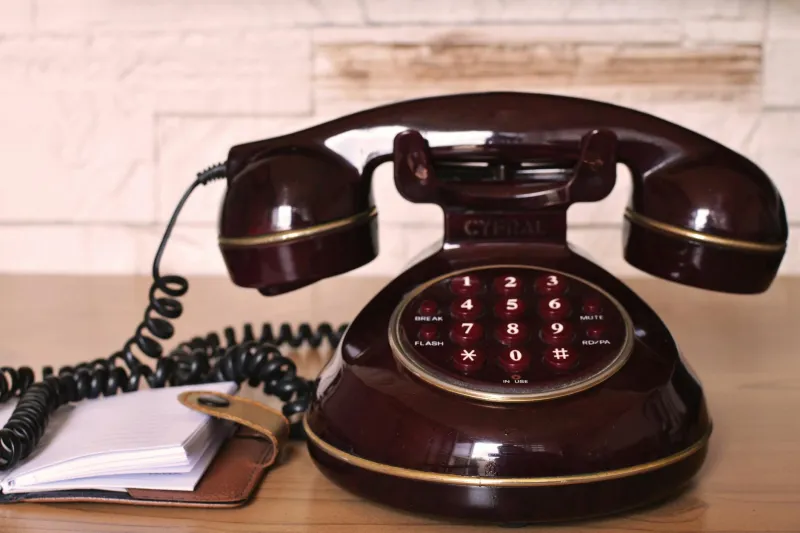
Before email, before smartphones, before instant messaging, professional sports operated on a communication system that would seem impossibly primitive today. General managers conducted business through landline phones, often calling each other from their home offices late at night or during family dinners.
The NBA, NFL, and MLB had no centralized transaction systems. Deals were negotiated through a network of personal relationships and phone trees that could take hours to navigate. A single trade might require a dozen phone calls to different executives, agents, and league officials, each conversation building on the last.
Detroit Pistons GM Jack McCloskey famously kept a Rolodex with over 500 contacts from across professional sports. When he wanted to make a trade, he'd start dialing, working through his contacts one by one until he found someone willing to deal. The process could take days or weeks, with conversations happening in snippets between other obligations.
Paper Trail Nightmares
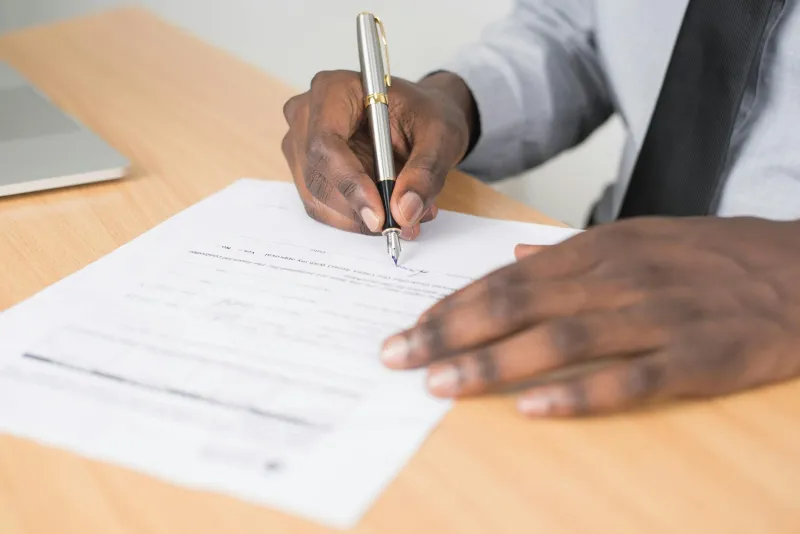
Once a trade was agreed upon verbally, the real work began. Every transaction required extensive paperwork: player contracts, medical records, salary information, and league approval forms. All of this had to be physically transported or faxed between cities.
The fax machine became the lifeline of professional sports. Teams invested in multiple machines and backup phone lines, knowing that a single technical failure could kill a major deal. Front offices kept maintenance contracts with local repair services, and some teams even employed staff members whose primary job was managing the fax workflow.
But fax machines were notoriously unreliable. Paper jams were common, toner ran out at crucial moments, and phone line interference could garble important documents. The stress of deadline day was amplified by the constant fear that technology would fail at the worst possible moment.
The Deadline Drama
Trade deadlines in the pre-digital era were exercises in controlled chaos. League offices would be flooded with phone calls as teams tried to confirm deals in the final hours. Executives would camp out near fax machines, manually feeding documents through one page at a time.
The 1991 NFL trade deadline saw one of the most dramatic technology failures in sports history. The Dallas Cowboys had agreed to trade quarterback Troy Aikman to the Phoenix Cardinals for a massive package of draft picks and players. The deal was verbally agreed upon with just minutes to spare before the deadline.
But the Cowboys' fax machine died during transmission of Aikman's medical records. Team executives spent the final 20 minutes of the deadline frantically trying to find a working fax machine, eventually driving to a nearby Kinko's copy center. The deal fell through when they couldn't complete the paperwork in time, altering the course of NFL history.
The Human Network
Without digital communication, sports executives relied heavily on personal relationships and informal networks. Information traveled through a web of contacts that included coaches, scouts, agents, and media members. A single phone call could set off a chain reaction that reached every front office in the league within hours.
This system created opportunities for miscommunication and deliberate misinformation. Rumors could spread rapidly through the network, with details changing as they passed from person to person. Some executives became skilled at planting false information to manipulate trade markets or hide their own intentions.
The lack of instant communication also meant that news traveled slowly. A major trade might not become public knowledge for hours or even days after completion, as information trickled out through various sources.
The Overnight Express Reality
For truly important documents, teams often relied on overnight express delivery services. FedEx and UPS became crucial partners in professional sports, ensuring that contracts and medical records could be physically transported between cities within 24 hours.
This created its own set of challenges. Weather delays, shipping errors, and lost packages could derail major transactions. Some teams began hand-delivering important documents via chartered flights or trusted couriers to ensure they arrived on time.
The NBA Finals of 1985 saw one of the most memorable express delivery disasters. The Los Angeles Lakers had agreed to a trade that would have brought them additional depth for their championship run, but the paperwork was lost in transit between Los Angeles and New York. The deal never materialized, and the Lakers won the championship with their existing roster.
The Digital Revolution
The transformation began gradually in the late 1990s with the introduction of email and early digital transaction systems. The NBA was among the first leagues to implement electronic trade processing, allowing teams to submit deals digitally rather than through fax machines.
By the early 2000s, most major sports leagues had developed sophisticated online portals for managing transactions. Teams could upload documents, track approval status, and communicate with league officials in real time. The days of camping out by fax machines were finally ending.
Modern transaction systems are marvels of efficiency. Deals can be negotiated via text message, documented through email, and processed through secure online portals within minutes. League officials can review and approve transactions from anywhere in the world using mobile devices.
The Speed of Modern Business
Today's sports world operates at a pace that would have been impossible in the analog era. The 2023 NBA trade deadline saw 17 different transactions completed in the final hour before the cutoff—a volume that would have been physically impossible when everything required fax machines and phone calls.
Social media has accelerated the news cycle to the point where trades are often reported publicly before all the paperwork is complete. Fans can follow negotiations in real time through Twitter updates and insider reports.
The contrast is striking. What once took days or weeks to negotiate and hours to document can now be completed in minutes. The human drama and technical failures that defined the analog era have been replaced by digital efficiency.
What We Lost in Translation
There was something uniquely human about the old system. Deals were built on personal relationships and trust rather than algorithmic matching and data analysis. The technical challenges created natural drama and suspense that made every deadline feel like a high-stakes thriller.
The fax machine failures and miscommunications that once plagued the sports world seem quaint in retrospect, but they were real obstacles that shaped the trajectory of franchises and careers. The unreliability of analog technology added an element of chance to every transaction.
Modern sports fans who watch trades unfold in real time on their smartphones might struggle to imagine a world where franchise-altering deals could be derailed by a paper jam. But for decades, that was simply how business was done in professional sports.
The next time you see a trade notification pop up on your phone just minutes after it was completed, remember: we once lived in a world where billion-dollar deals hung in the balance of whether someone remembered to refill the toner cartridge.