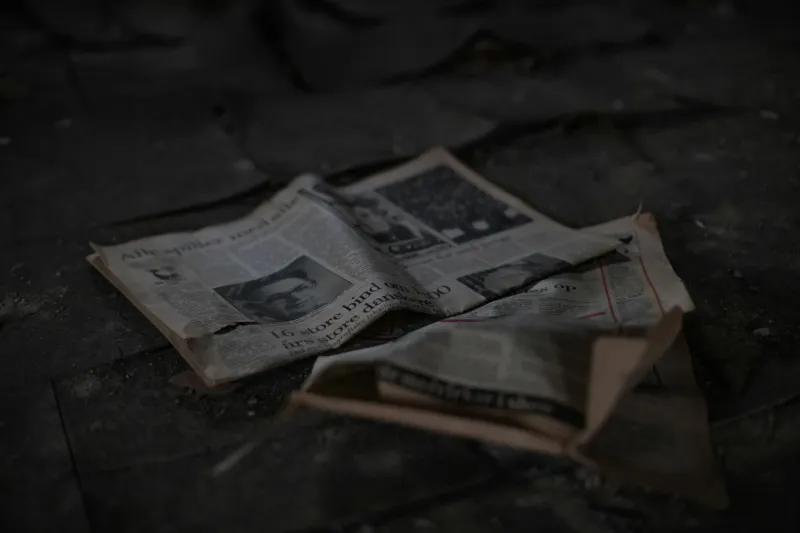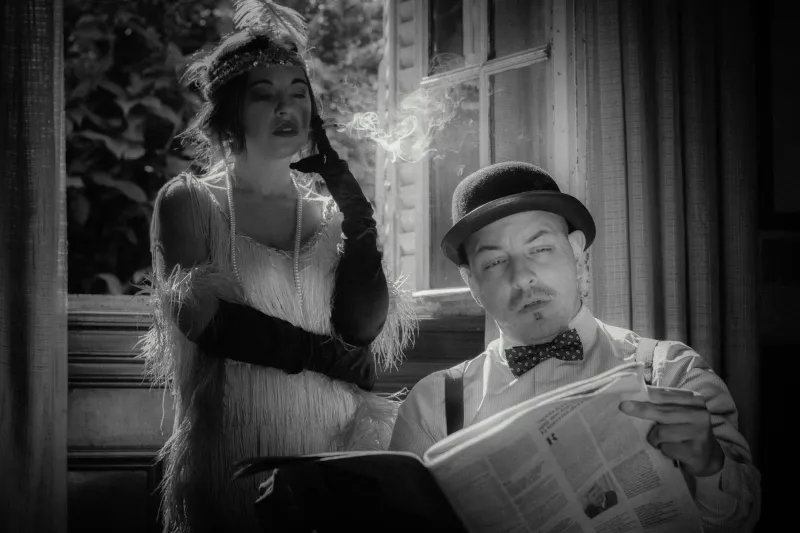
The Theater of the Mind
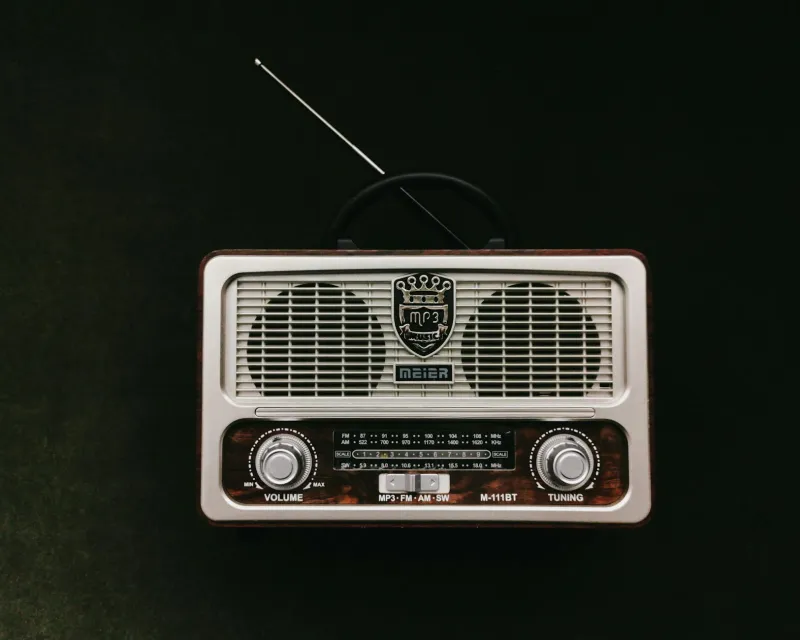
Picture this: It's 1965, and you're desperate to follow your team's playoff run. No ESPN. No sports apps. No highlight packages on demand. Instead, you huddle around a transistor radio, hanging on every word as a broadcaster transforms crowd noise and ball contact into pure theater. This was America's sports reality for decades—a world where the human voice was the only bridge between fans and their teams.
Radio announcers weren't just reporters; they were storytellers crafting entire universes from sound waves. Vin Scully painting Dodger Stadium in sunset hues you'd never see. Red Barber turning a routine ground ball into poetry. These voices became more familiar than family members, their cadences as comforting as Sunday dinner.
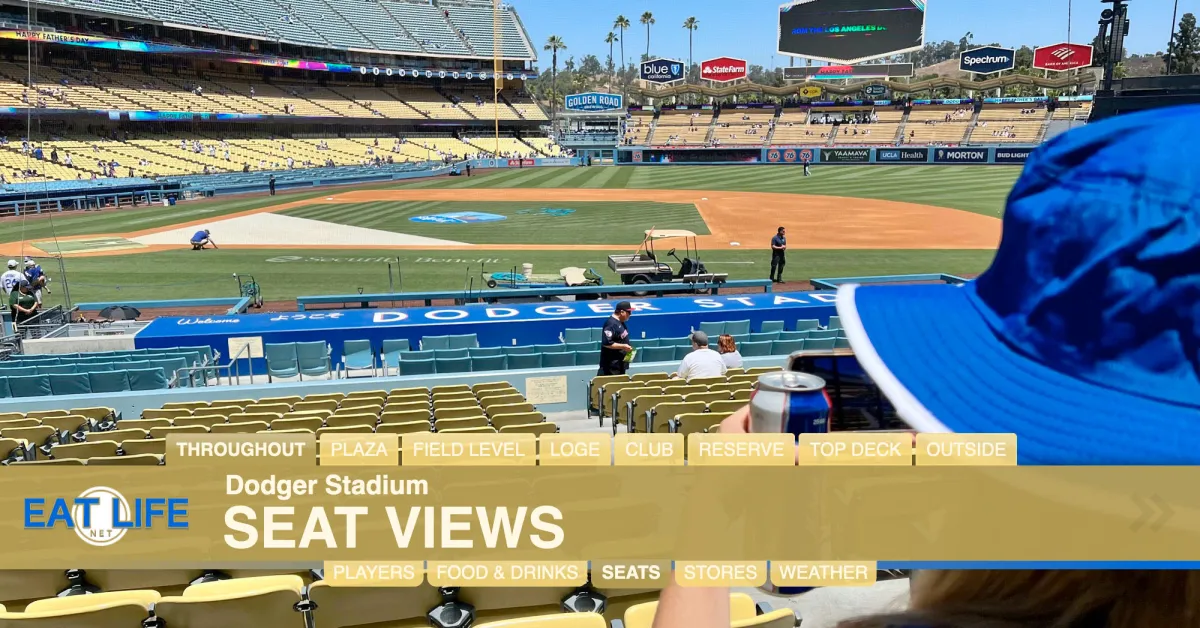 Photo: Dodger Stadium, via www.eatlife.net
 Photo: Vin Scully, via media.npr.org
When Imagination Beat High Definition
The magic lived in what you couldn't see. Radio forced fans to construct their own mental stadiums, populate them with players whose faces they might never glimpse, and feel the electricity of crowds they'd never join. A good broadcaster could make a rain delay riveting, turning weather reports into dramatic tension.
Consider the 1951 "Shot Heard 'Round the World." Millions experienced Bobby Thomson's pennant-winning home run through Russ Hodges' hysterical "The Giants win the pennant!" call. They felt the crack of the bat through static, imagined the ball's arc through crackling AM frequencies, and celebrated with strangers they'd never meet but somehow knew intimately.
Fans developed relationships with these invisible games that seem impossible today. They learned to read between the lines—when their announcer's voice tightened during tense moments, when crowd noise suggested something the broadcaster couldn't quite capture, when silence meant either triumph or disaster.
The Ritual of Listening
Radio sports required commitment. You couldn't scroll through your phone during boring innings or flip channels when your team fell behind. Following a season meant scheduling your life around broadcast times, finding strong signal spots in your house, and accepting that some games simply wouldn't reach you through the airwaves.
Families gathered around kitchen radios during dinner, sharing the communal experience of following their team's fortunes. Car radios turned routine drives into appointment listening. Pocket transistors made every beach trip or backyard barbecue a potential sports sanctuary.
The technology itself shaped the experience. AM signals faded in and out, creating natural suspense as crucial plays disappeared into static. Fans learned to angle their radios toward distant cities, chasing signals like prospectors hunting gold. Bad weather could kill a broadcast entirely, leaving supporters in agonizing silence during the most important games.
When Announcers Were Artists
Radio broadcasters developed skills that seem almost supernatural now. They painted pictures with words, created atmosphere from audio cues, and maintained narrative tension across hours of dead time. The best could make listeners feel the crack of autumn air, smell stadium hot dogs, and sense the nervous energy of a tie game in the ninth inning.
These announcers became local celebrities, their voices synonymous with their cities' sporting identities. Fans didn't just follow teams; they followed the people who brought those teams to life. When legendary broadcasters retired, entire generations mourned the loss of voices that had soundtracked their lives.
The intimacy was unprecedented. Unlike today's polished TV productions with multiple camera angles and instant replays, radio created a direct line between one human voice and millions of individual listeners. Each fan felt personally addressed, as if the announcer was speaking directly to them.
The Algorithm Arrives
Today's sports consumption is radically different. Algorithms curate personalized highlight packages. Social media delivers instant reactions. Streaming services offer every angle of every play. The shared experience of radio has fragmented into millions of individual feeds, each tailored to specific preferences and attention spans.
Modern fans can watch any game, anywhere, anytime. They consume sports in bite-sized clips, rarely experiencing the full narrative arc that radio naturally provided. The communal aspect—entire neighborhoods listening to the same voice, sharing the same emotional journey—has largely disappeared.
Yet something profound was lost in this transition. Radio sports demanded imagination, patience, and genuine investment. Fans had to work for their entertainment, creating mental pictures that no camera could capture. They developed deeper connections to announcers, teams, and the ritual of following sports across entire seasons.
The Voice That Remains
Some radio traditions persist, particularly in baseball, where the pace naturally accommodates long-form storytelling. Drive-time commuters still tune in, and satellite radio has preserved some of that old intimacy. But the cultural dominance of radio sports—when entire cities stopped to listen, when voices shaped how we understood our teams—belongs to history.
That world required more from both broadcasters and fans. Announcers had to be poets, historians, and therapists rolled into one. Listeners had to invest imagination, time, and trust. The result was a sports culture built on shared voices rather than shared screens, where the game lived as much in listeners' minds as on distant fields.
Were we ever really there, huddled around radios, creating our own personal stadiums from static and storytelling? In an age of infinite access and instant gratification, that world of patient listening and imagined games feels almost mythical—a reminder of when sports required not just attention, but genuine participation from every fan.