Drink Water and You're Weak: The Deadly Marathon Advice That Killed Athletes

Drink Water and You're Weak: The Deadly Marathon Advice That Killed Athletes
In 1904, Olympic marathon runner Thomas Hicks nearly died during the race in St. Louis. His handlers gave him strychnine, egg whites, and brandy to keep him going, but refused to let him drink water because they believed it would make him weak. Hicks collapsed multiple times, hallucinated, and had to be carried across the finish line. He "won" the gold medal and almost lost his life.
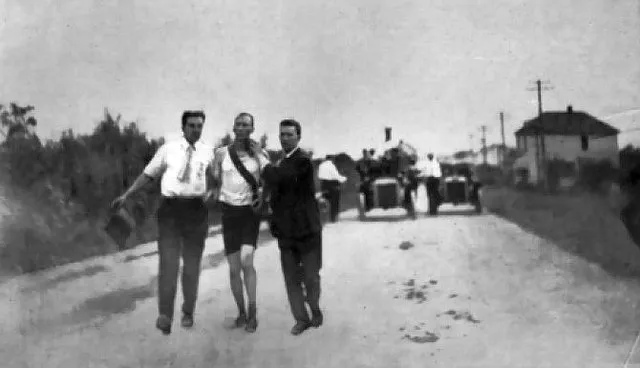 Photo: Thomas Hicks, via www.onekmore.com
This wasn't some freak accident or rogue coach's bad judgment. This was standard practice. For the better part of a century, endurance sports operated under the bizarre belief that drinking water during competition was a sign of mental weakness that would actually hurt performance.
The Mythology of Toughness
The anti-hydration philosophy wasn't based on science—it was based on a twisted idea of what made athletes mentally tough. Coaches and officials believed that learning to "push through" thirst would build character and separate the champions from the pretenders. Water stations at marathons were rare, and using them was often seen as giving up.
This wasn't limited to running. Cyclists in the Tour de France were discouraged from drinking during stages. Football players practiced in full gear during summer heat with no water breaks. Tennis players competed in blazing sun without touching a drop of fluid for hours. The thinking was simple: if you needed water, you weren't trying hard enough.
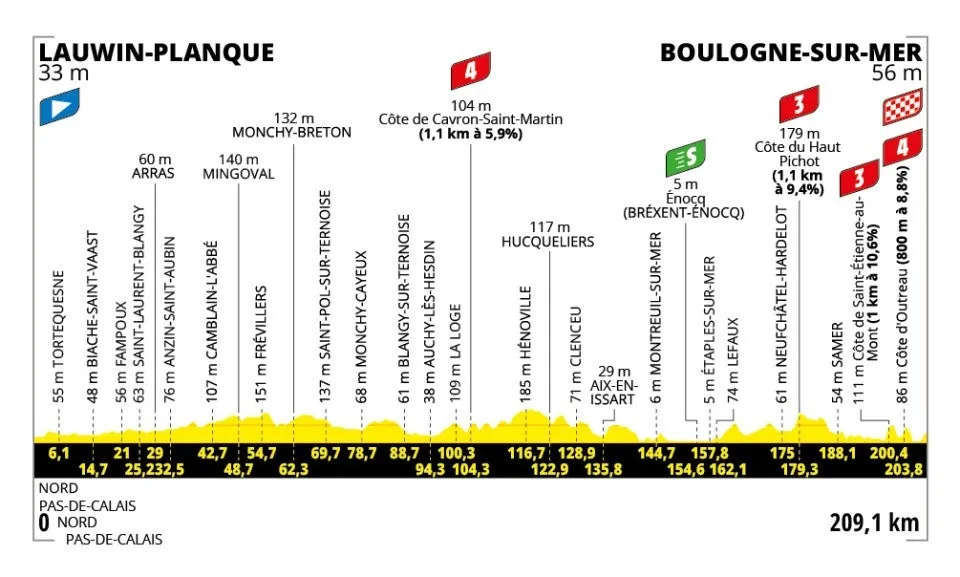 Photo: Tour de France, via static.independent.co.uk
The 1967 Boston Marathon illustrated this mentality perfectly. Race officials actively discouraged water consumption, and many aid stations only offered small cups of water every few miles—not because they thought it was optimal, but because they worried too much hydration would make runners "soft." Runners who grabbed water were sometimes booed by spectators who saw it as unsportsmanlike.
When Science Didn't Matter
Even as medical knowledge advanced, the sports world clung to these dangerous practices. By the 1950s, researchers already understood that dehydration caused serious performance problems and health risks. Military studies during World War II had shown that soldiers became ineffective when they lost just 2% of their body weight through sweating.
But coaches ignored the science. They preferred their own theories about mental toughness and "training the body to adapt." Some actually believed that regular dehydration would make athletes more efficient at using water, like some kind of biological training effect. Others thought that drinking during exercise would cause cramping or nausea.
The result was a generation of athletes who were systematically trained to ignore their body's most basic survival signals. Runners learned to push through dizziness, nausea, and confusion—symptoms we now recognize as dangerous dehydration—because they'd been taught these were normal parts of competition.
The Body Count Starts Adding Up
The consequences were predictable and tragic. Athletes regularly collapsed during events, often requiring emergency medical care. Heat stroke became a common occurrence at endurance events. Some athletes suffered permanent kidney damage. Others died.
The 1912 Olympics in Stockholm saw multiple marathon runners collapse from heat exhaustion in what was considered a "normal" race. Francisco Lázaro, representing Portugal, died the day after the race from what was almost certainly heat stroke exacerbated by severe dehydration. Officials treated his death as an unfortunate accident rather than a preventable tragedy caused by dangerous policies.
Football was even worse. High school and college players regularly died during summer practices, with heat stroke being a leading cause. Coaches who prided themselves on "tough" training often forbade water breaks entirely, viewing them as interruptions that would make players mentally weak.
The Slow Turn Toward Sanity
The shift didn't happen overnight. Sports medicine began gaining credibility in the 1960s and 1970s, but many coaches remained skeptical. The breakthrough came when researchers started showing that proper hydration actually improved performance, not just safety.
Studies demonstrated that even mild dehydration—losing just 2% of body weight—reduced athletic performance by 10-15%. Severe dehydration could cut performance in half. Suddenly, the "mental toughness" argument fell apart. Athletes weren't getting stronger by ignoring thirst; they were getting slower, weaker, and less competitive.
Gatorade's invention in 1965 helped change the conversation. When the University of Florida football team started dramatically outperforming opponents in hot weather after adopting the electrolyte drink, other programs took notice. The sports drink wasn't just about hydration—it was about winning.
Today's Hydration Obsession
Modern endurance sports have swung completely in the opposite direction. Today's marathon has water stations every mile, sometimes more frequently. Athletes carry their own hydration systems. Sports scientists calculate precise fluid replacement formulas based on individual sweat rates, electrolyte loss, and weather conditions.
Professional athletes now have personalized hydration plans that specify exactly what to drink, when to drink it, and how much. NASCAR drivers have cooling systems and drink tubes built into their helmets. Tennis players take hydration breaks between sets as a matter of course. The idea that drinking water shows weakness seems not just wrong, but insane.
The Tour de France, once notorious for its anti-hydration culture, now features riders consuming carefully calculated amounts of fluid throughout each stage. Team cars follow cyclists with an arsenal of different drinks designed for different phases of the race. What was once seen as cheating is now considered basic race strategy.
The Lessons We Ignored for Decades
Looking back, it's shocking how long sports clung to practices that were obviously dangerous. The human body's need for water isn't a character flaw to overcome—it's basic biology. But for generations, athletic culture treated this fundamental truth as a weakness to be conquered rather than a reality to be managed.
The anti-hydration era reveals something disturbing about how sports culture can override common sense and scientific evidence when it conflicts with cherished beliefs about toughness and character. Athletes literally died to maintain the fiction that ignoring thirst made them stronger.
Today, when a marathon runner grabs a cup of water, they're not just staying hydrated—they're participating in a quiet revolution that prioritizes performance and safety over outdated ideas about what makes someone tough. It's a reminder that sometimes the most important progress happens when we finally stop doing the obviously stupid thing we've been doing forever.