Tape It Up and Walk It Off: The Brutal Reality of NFL Recovery Before Sports Science
The Aspirin and Tape Era
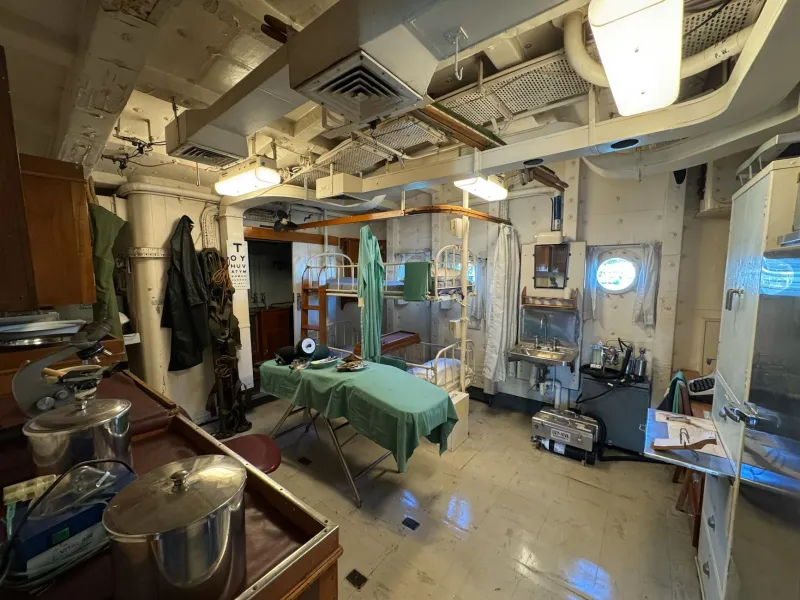
In 1970, after taking a helmet-to-helmet hit that would sideline today's players for weeks, Green Bay Packers linebacker Ray Nitschke walked into the team's training room seeking relief. What he found was a metal table, a roll of white tape, a bucket of ice, and a trainer whose medical degree came from the school of hard knocks. The prescription was simple: take two aspirin, wrap whatever hurt, and be ready for practice Tuesday morning.
 Photo: Ray Nitschke, via images5.alphacoders.com
This wasn't negligence – it was state-of-the-art NFL medical care. Before sports science transformed professional football into a billion-dollar laboratory, player recovery operated on principles that would horrify modern team doctors. The gap between then and now isn't just about better equipment; it's about a completely different understanding of what the human body can endure and how to help it heal.
When Ice Baths Were High-Tech
The most sophisticated recovery tool available to 1960s NFL players was a bathtub filled with ice water. Teams that could afford this luxury – and many couldn't – would wheel out a standard porcelain tub, dump in bags of ice from the local grocery store, and instruct players to soak their battered bodies for as long as they could stand it.
There was no science behind the timing, no optimal temperature measurements, no gradual acclimatization process. Players would lower themselves into near-freezing water and gut it out until hypothermia seemed like a real possibility. The theory was simple: cold reduces swelling, swelling causes pain, therefore maximum cold equals maximum benefit.
Compare this to today's NFL recovery protocols, where players rotate through precisely calibrated cryotherapy chambers set to -200°F for exactly three minutes, followed by contrast therapy in pools maintained at specific temperatures, monitored by specialists with advanced degrees in exercise physiology. The ice bath was the entire sports science department.
The Trainer's Toolkit
Open any NFL training room from the 1960s and you'd find equipment that belonged more in a high school nurse's office than a professional sports facility. The standard toolkit included white athletic tape, elastic bandages, rubbing alcohol, aspirin, and maybe some Ben-Gay if the team was feeling fancy.
Head trainer was often a part-time position filled by someone with a background in physical education or military first aid. They weren't treating world-class athletes recovering from elite-level competition – they were patching up tough guys who needed to get back on the field as quickly as possible.
The diagnostic process was equally primitive. Players described their pain, trainers poked around until they found tender spots, and treatment decisions were made based on what had worked for similar injuries in the past. X-rays were expensive and rarely used unless bones were obviously broken. MRI machines wouldn't enter sports medicine for another two decades.
When Playing Hurt Was the Only Option
Without modern pain management or injury prevention protocols, NFL players in the pre-sports science era developed legendary pain tolerance. Stories of players competing with injuries that would automatically trigger today's concussion protocols became the foundation of football mythology.
Chuck Bednarik played both offense and defense for the Philadelphia Eagles while working a full-time construction job during the off-season. His recovery regimen consisted of whatever sleep he could get between shifts and whatever food his wife packed for lunch. The concept of customized nutrition plans, sleep optimization, or load management didn't exist.
 Photo: Philadelphia Eagles, via mia.vn
Players learned to self-medicate with whatever was available. Aspirin became the universal solution for everything from headaches to joint pain to muscle soreness. Some teams provided stronger painkillers, but the philosophy remained the same: mask the pain long enough to get through the next game.
The Weekend Warrior Recovery Plan
NFL recovery in the pre-science era operated on a simple weekly cycle. Players would destroy their bodies on Sunday, spend Monday barely able to walk, gradually improve through the week, and repeat the process the following weekend. There was no sophisticated periodization, no active recovery protocols, no biomechanical analysis to prevent future injuries.
Tuesday practices were often called "walk-throughs" not because coaches wanted to take it easy, but because half the team literally couldn't run. Players would show up wrapped in enough tape to stock a medical supply company, pop a handful of aspirin, and hope adrenaline would carry them through another week.
The off-season provided the only real recovery time, but even then, players were expected to return to regular jobs to make ends meet. The idea of year-round conditioning programs, specialized trainers, or recovery-focused activities was decades away from reality.
When Sleep Was Just Sleep
Today's NFL players sleep in climate-controlled environments on mattresses selected based on their specific biomechanical needs, with sleep specialists monitoring their REM cycles and adjusting recovery protocols accordingly. In 1970, players slept wherever they could afford rent and hoped for eight hours of unconsciousness.
There was no understanding of sleep's role in athletic recovery, no recognition that different sleep stages affected muscle repair differently, no appreciation for how travel and time zones impacted performance. Players would fly commercial to away games, often arriving the night before kickoff, and expected to perform at peak levels regardless of jet lag or unfamiliar hotel beds.
The concept of sleep hygiene – controlling light exposure, maintaining consistent bedtimes, avoiding screens before bed – was nonexistent. Players would stay up late watching television, drink coffee with dinner, and wonder why they felt sluggish on game day.
The Nutrition Revolution That Never Came
Pre-game meals in the early NFL were based on tradition rather than science. Teams would serve steak dinners before games because steak was expensive and therefore must be good for athletes. The fact that red meat takes hours to digest and provides no immediate energy benefit was irrelevant – it looked like the kind of meal strong men should eat.
Post-game recovery nutrition consisted of whatever players could find in local restaurants or team hotel buffets. The idea of consuming specific ratios of carbohydrates and protein within precise time windows to optimize muscle recovery was decades away from discovery. Players would celebrate victories with beer and pizza, then wonder why they felt terrible on Monday morning.
Hydration strategies were equally primitive. Players were discouraged from drinking water during games because it might cause cramping. Some coaches believed that thirst built character and that giving in to it showed weakness. Heat-related illnesses were common, but they were treated as individual failures rather than systemic problems.
What Modern Recovery Actually Looks Like
Today's NFL players have access to recovery technologies that would seem like science fiction to their predecessors. Hyperbaric oxygen chambers, whole-body vibration platforms, compression therapy systems, and infrared saunas are standard equipment in modern training facilities.
Teams employ sleep specialists, nutritionists, massage therapists, mental health counselors, and recovery coordinators whose entire job is optimizing player wellness. Every aspect of an athlete's life – from meal timing to room temperature to travel schedules – is designed around maximizing recovery and performance.
The transformation isn't just about better equipment; it's about a fundamental shift in philosophy. Where early NFL players were expected to tough it out and play through pain, modern players are monitored constantly for signs of overtraining, fatigue, or injury risk. Prevention has replaced reaction as the primary medical strategy.
The Price of Playing in the Stone Age
The long-term health consequences of pre-science NFL recovery are still being calculated. Players from the tape-and-aspirin era suffer from chronic pain, mobility issues, and neurological problems at rates that shock modern medical professionals. They sacrificed their bodies for a game that didn't yet understand how to protect them.
But they also developed a mental toughness that today's players, for all their physical advantages, struggle to match. Playing hurt wasn't just expected – it was the only way to keep a roster spot in an era when medical retirement meant finding a new career.
The evolution from ice baths and aspirin to cryotherapy chambers and personalized recovery protocols represents more than technological progress. It reflects our growing understanding that athletic performance isn't just about talent and effort – it's about creating the optimal conditions for human bodies to recover, adapt, and excel at the highest levels of competition.
 Photo: Chuck Bednalik, via image.tmdb.org