The Half-Empty Stadium Where the Super Bowl Was Born
If you wanted a ticket to Super Bowl LVIII in Las Vegas, you were looking at somewhere north of $9,000 for a seat in the upper deck. Floor-level seats were trading for five figures. Hotels within driving distance had been booked for months. The two weeks leading up to the game generated more media content than most world events. Hundreds of millions of people watched.
Now rewind to January 15, 1967. The Los Angeles Memorial Coliseum had a capacity of roughly 94,000 people. For the first AFL-NFL World Championship Game — the event we now call Super Bowl I — it held about 61,000. More than 30,000 seats sat empty. You could have walked up to the window and bought a ticket for six dollars.
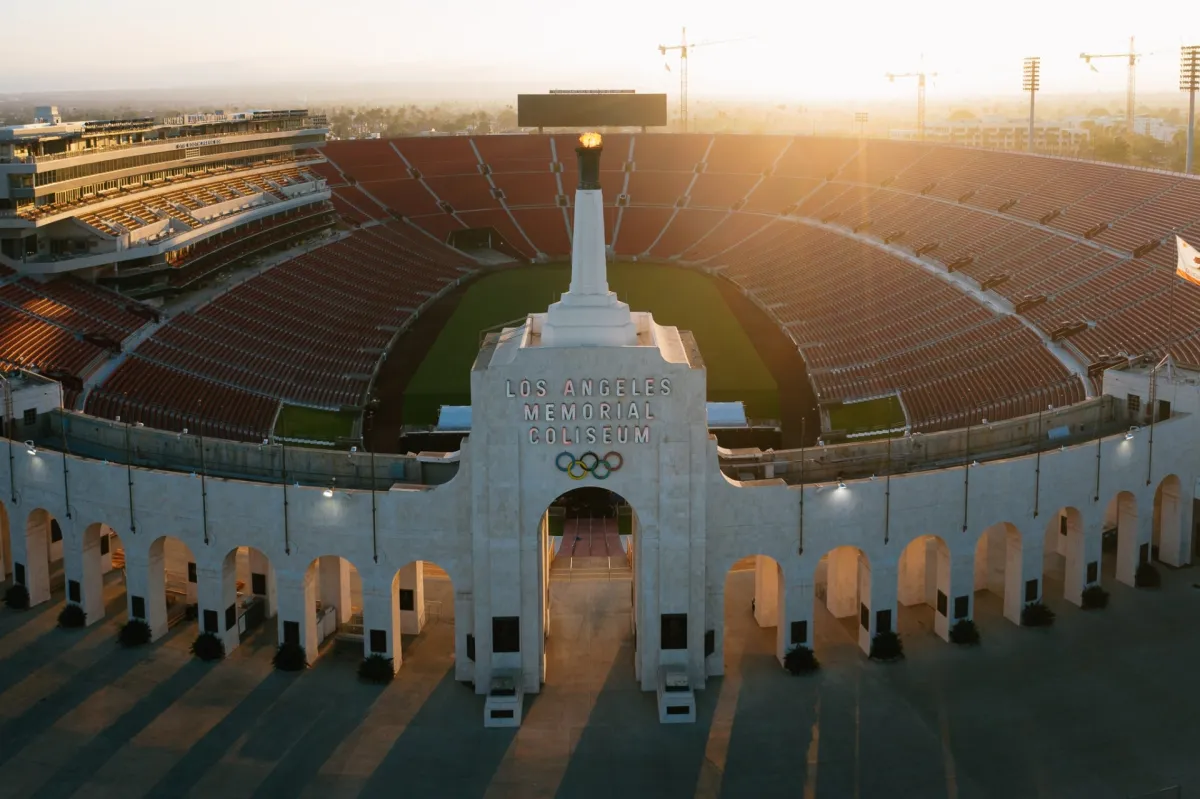 Photo: Los Angeles Memorial Coliseum, via www.discoverlosangeles.com
The same game. A completely different world.
An Exhibition With a Trophy
To understand how unserious the first Super Bowl was by modern standards, you need to understand what it represented at the time. The NFL and the AFL were rival leagues that had recently agreed to merge — but the merger wasn't complete yet. This was essentially a bragging rights game between the champions of two leagues that had spent years competing for players, fans, and relevance. Most football people assumed the NFL's Green Bay Packers would win easily. They were right.
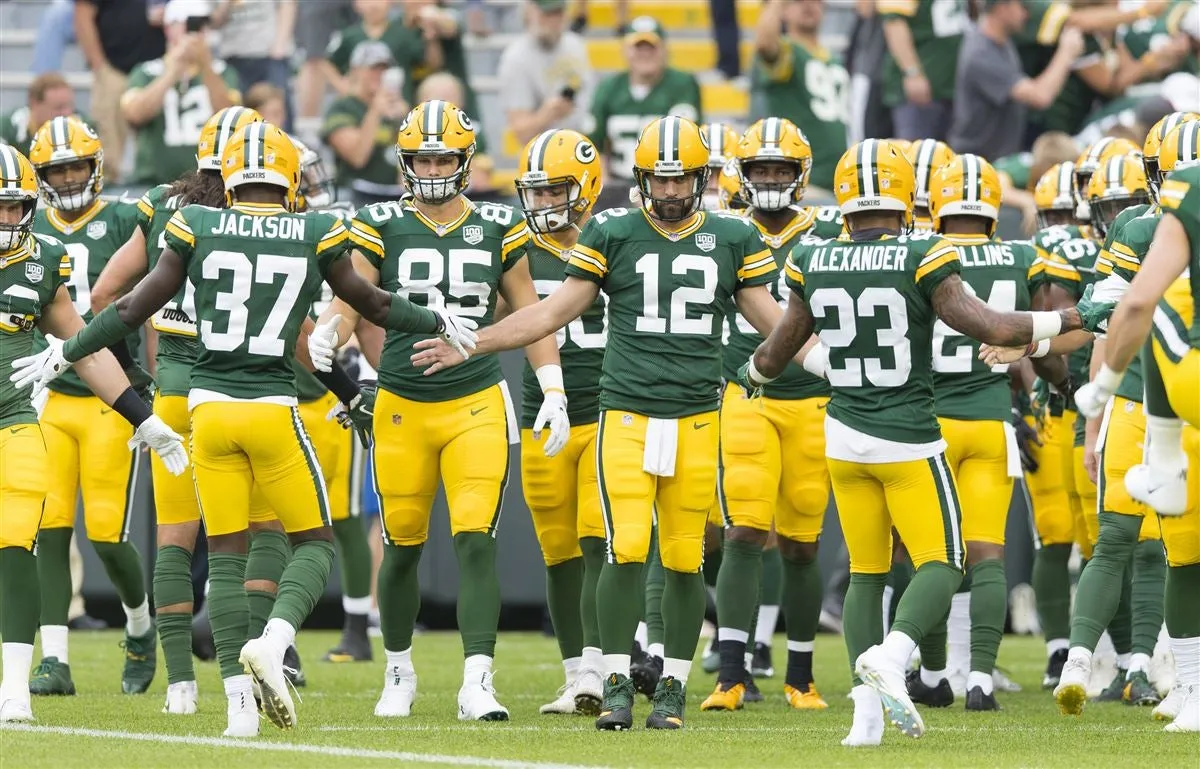 Photo: Green Bay Packers, via s3media.247sports.com
The game was broadcast simultaneously on both CBS and NBC — the two networks holding the respective league contracts — because neither was willing to give the other exclusive rights. That meant two separate broadcast teams, two sets of announcers, two different productions covering the exact same game at the exact same time. It was the opposite of the carefully managed, monopolized broadcast rights deals that define today's Super Bowl coverage.
And here's the detail that makes modern sports executives wince: neither network kept a complete recording of the broadcast. For decades, no full copy of Super Bowl I existed in any archive. The most important game in the history of American sports was nearly lost forever because nobody thought it was important enough to preserve properly.
The Halftime Show Was a College Band
The halftime entertainment for Super Bowl I featured the University of Arizona and Grambling State University marching bands. They were good. They were also playing at a football game, not producing a globally televised concert event.
Contrast that with recent Super Bowl halftime shows — productions involving hundreds of performers, weeks of rehearsal, stage setups that require days to construct and dismantle, and headliners who command tens of millions of dollars per performance in normal circumstances. The Super Bowl halftime slot is now considered one of the most coveted performance opportunities on the planet. Established artists campaign for it. The viewership during halftime frequently surpasses the viewership of the game itself.
In 1967, the bands played, the crowd ate hot dogs, and everyone waited for the second half to start.
Media Circus? What Media Circus?
The modern Super Bowl week is its own ecosystem. Radio Row fills an entire convention center with broadcast booths. Thousands of credentialed journalists descend on the host city. Every player who might conceivably speak to a reporter is required to be available for media availability sessions. Brands spend months building activations, pop-up experiences, and parties that sometimes cost more than the actual game-day operations.
The week before Super Bowl I, the Packers practiced in Santa Barbara. The Chiefs — then representing the AFL — were in Long Beach. A handful of reporters covered their workouts. There was no Opening Night ceremony. There was no media day at a basketball arena with players sitting at individual podiums while hundreds of journalists rotate through on a timer. There were some interviews, some practice observations, and then the game.
The commercial time during the broadcast sold for roughly $42,000 per thirty-second spot. At Super Bowl LVIII, the same slot cost around $7 million. Adjusting for inflation makes the gap somewhat smaller — but not that much smaller. The audience, the attention, and the cultural weight attached to those thirty seconds have grown in ways that pure economics can't fully explain.
When Did It Actually Become the Super Bowl?
The name "Super Bowl" wasn't even official at first. AFL founder Lamar Hunt had reportedly used the term informally, inspired by watching his kids play with a Super Ball toy. The first two games were officially called the AFL-NFL World Championship Game. The Super Bowl branding became official with the third game, in 1969.
The cultural tipping point is harder to pin down. By the mid-1970s, the game was drawing massive television numbers. By the 1980s, it had become a de facto national holiday — the kind of event where people who didn't follow football still gathered around a television. By the 1990s, the halftime show had evolved into a full-scale production. By the 2000s, the commercials were being watched as their own form of entertainment, analyzed and ranked the morning after.
The transformation happened gradually, then all at once, the way these things always do.
A Different Kind of Sunday
The people who sat in the Coliseum on January 15, 1967 — all 61,000 of them — watched a good football game. The Packers dominated. Bart Starr won MVP. It was a fine afternoon of professional football.
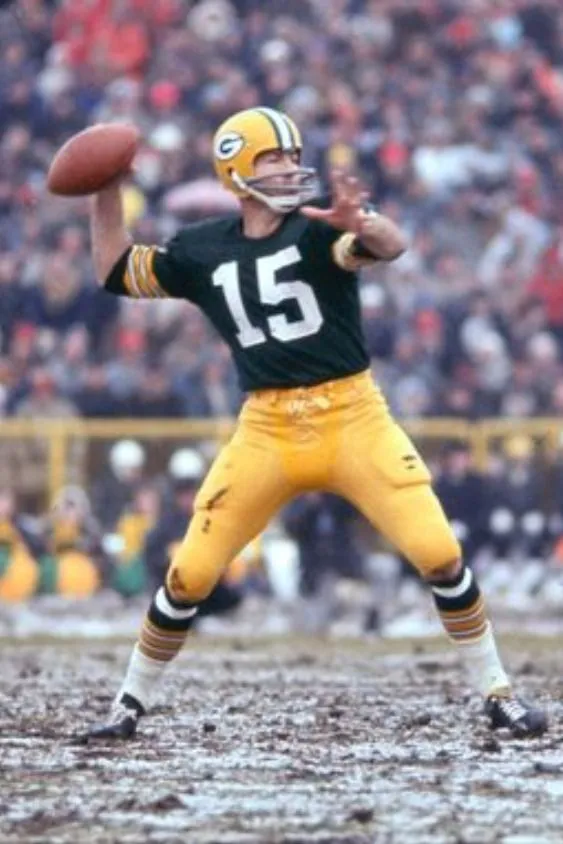 Photo: Bart Starr, via i.pinimg.com
They had no idea they were present at the birth of something that would eventually become the most-watched annual television event in American history. They had no idea that the tickets they bought for six dollars would, in a parallel universe, be worth thousands. They had no idea that the halftime show they half-watched while getting a beer would evolve into a production that Beyoncé would one day headline.
They were just watching a football game on a Sunday afternoon. The spectacle came later. The empty seats tell you everything about how little anyone saw it coming.