Cardboard in the Spokes: How America Accidentally Threw Away a Fortune
Somewhere in America right now, a single piece of cardboard is sitting inside a tamper-proof plastic slab, stored in a climate-controlled vault, insured for more money than most people earn in a decade. It's a baseball card. It measures roughly two and a half inches by three and a half inches. And it would have been tossed in the trash without a second thought by the kid who originally owned it.
That's the story of how baseball cards went from bubble gum filler to blue-chip asset — and how a generation of American mothers inadvertently destroyed what would have been their grandchildren's retirement funds.
Gum Wrappers with Faces on Them
When Topps started mass-producing baseball cards in 1952, the concept was simple: give kids a reason to buy bubble gum. The cards were a bonus, a throwaway incentive, something to flip through before stuffing in a pocket or rubber-banding into a stack on a shelf. Nobody was thinking about preservation. Nobody was thinking about value. They were thinking about the gum.
For most of the following three decades, that attitude held firm. Kids collected cards the way they collected bottle caps or comic books — casually, chaotically, and with absolutely zero regard for condition. You flipped them against stoops to win your buddy's collection. You clothespinned them to your bike frame so the spokes would make a satisfying motor sound as you rode around the neighborhood. You stacked them, bent them, rubber-banded them until the edges frayed. A card that graded a PSA 10 today might have been used as a bookmark in 1961.
And when summer ended and the novelty wore off, mothers across America did what mothers do: they cleaned up. Shoeboxes full of cards went into garbage bags. Entire collections — Mickey Mantle, Willie Mays, Sandy Koufax — ended up in landfills before the players they depicted had even retired.
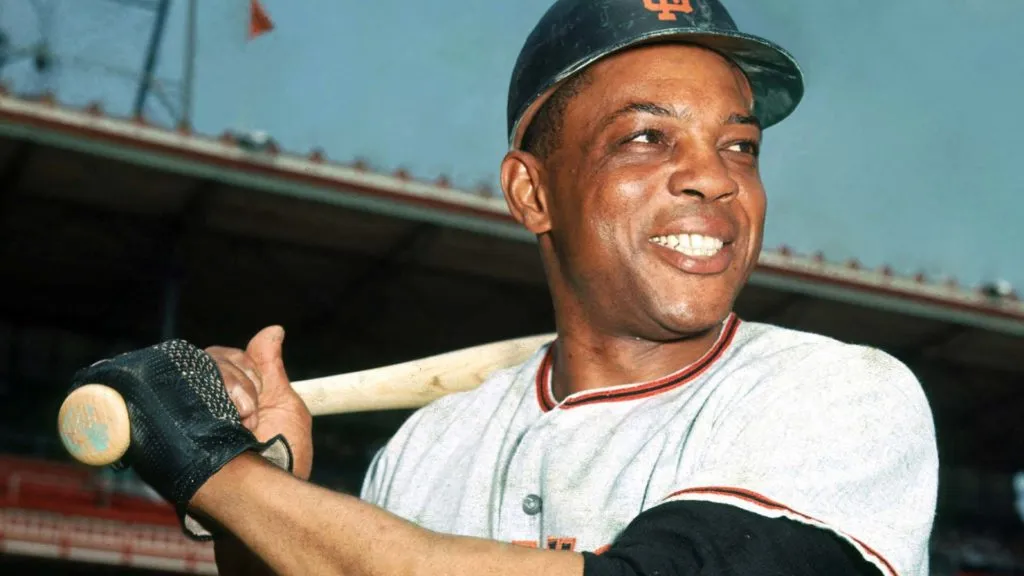 Photo: Willie Mays, via d3i6fh83elv35t.cloudfront.net
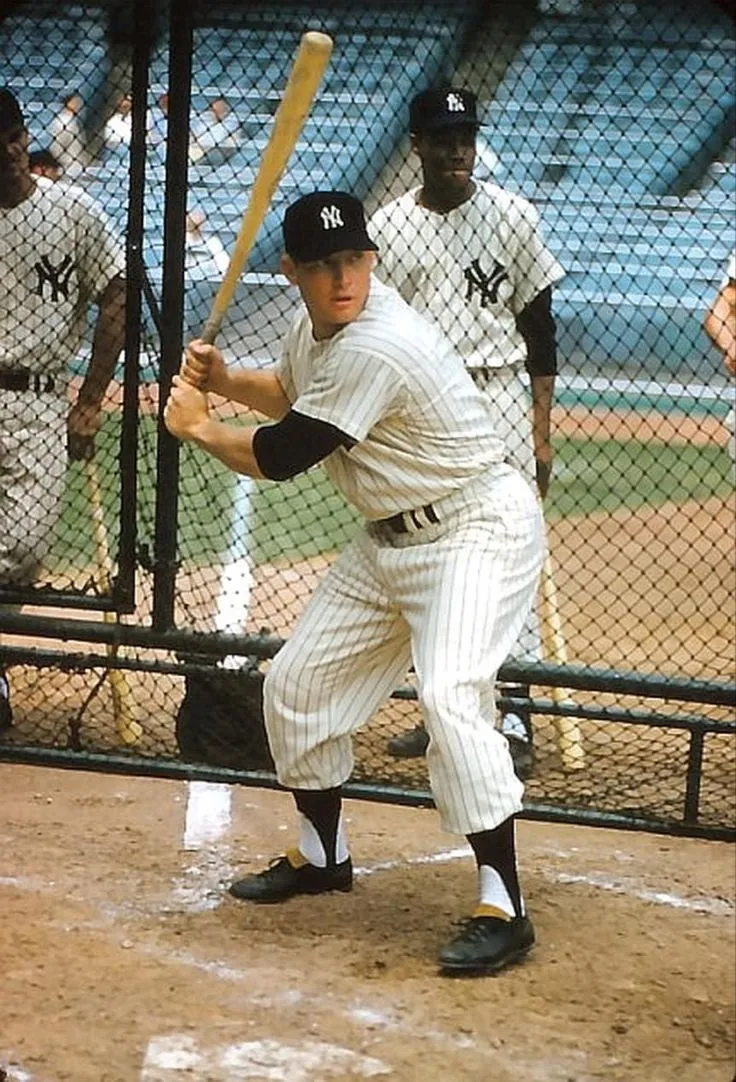 Photo: Mickey Mantle, via i.pinimg.com
The Moment Things Started to Shift
The cultural pivot came slowly, then suddenly. By the late 1970s and into the 1980s, a new kind of collector started appearing — adults who remembered their childhood cards with something closer to nostalgia than indifference. Hobby shops opened. Price guides got published. People started talking about "mint condition" like it actually meant something.
Then came 1989 and the founding of Professional Sports Authenticator, better known as PSA. For the first time, there was an official grading system — a numerical scale from 1 to 10 that evaluated a card's condition with the kind of rigor previously reserved for gemstones and fine art. Suddenly, the difference between a bent corner and a perfect edge wasn't just aesthetic. It was financial. A PSA 9 and a PSA 10 of the same card could be separated by tens of thousands of dollars.
The hobby had found its infrastructure. What followed was an explosion.
From Nostalgia to Wall Street
Fast forward to today and the baseball card market looks nothing like a childhood hobby. It looks like a commodity exchange.
In 2016, a 1952 Topps Mickey Mantle in PSA 9 condition sold for $5.2 million. In 2022, that record was shattered when another copy sold for $12.6 million — making it, at the time, the most expensive sports card ever sold. Let that sink in: a piece of printed cardboard, produced as a bubble gum bonus, sold for more than most American homes.
And it's not just vintage cards driving the market. Modern "rookie cards" of promising young players are being purchased before those players have played a meaningful professional game, graded immediately upon release, and listed on platforms like eBay and PWCC for prices that would have seemed delusional twenty years ago. Collectors talk about "pop reports" — how many copies of a particular card exist at a particular grade — with the same fluency that stock traders talk about supply and demand.
There are now card investment funds. There are vault storage services where your collection never even ships to your house — it sits in a secure facility while you trade ownership digitally. There are YouTube channels with millions of subscribers dedicated entirely to opening packs on camera, the suspense of each pull monetized into content.
What We Threw Away
Here's the part that stings. The cards that command the highest prices today are almost exclusively valuable because so few survived in good condition. The 1952 Mantle is worth what it's worth partly because most of them were destroyed — by kids, by parents, by time, by indifference. The scarcity that drives the market was created by the carelessness of people who had no reason to be careful.
A complete, well-preserved set of 1952 Topps cards in high grade would be worth millions of dollars. Most families in America in the 1950s had the raw materials to build one. Almost none of them did, because why would they? They were just cards.
There's something almost poetic about it. The entire value system of the modern card market is built on destruction — on the fact that the vast majority of these objects were treated exactly as they were intended to be treated: like cheap, disposable trinkets.
Were We Ever Here?
The kid clipping a 1955 Roberto Clemente rookie card into his bicycle spokes wasn't making a mistake by the standards of his time. He was just being a kid. He had no frame of reference for what that card might mean sixty years later, because nobody did. The world he lived in hadn't invented the concept of a baseball card as an investment vehicle. That world came later, built on the ruins of the one he grew up in.
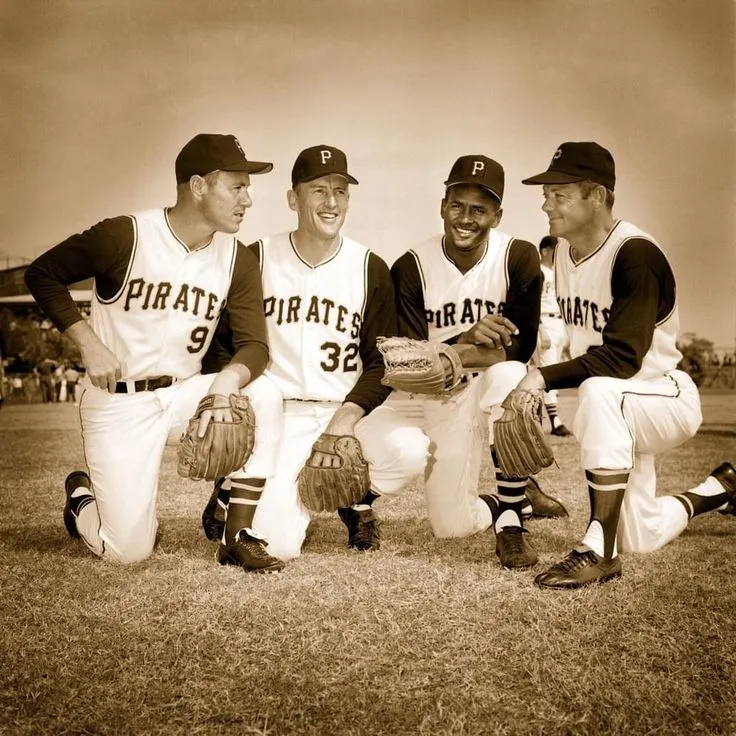 Photo: Roberto Clemente, via i.pinimg.com
What's remarkable isn't that people didn't preserve those cards. It's that the hobby survived long enough, and the culture shifted dramatically enough, that the ones that did survive became extraordinary. Every PSA 10 vintage card in existence is a small miracle of accidental preservation — a piece of cardboard that somehow escaped the spokes, the rubber band, and the garbage bag.
Somebody's grandmother threw away a fortune. And the cards that survived her cleanup are worth a fortune precisely because she did.