Dirt Fields and No Coaches: The Vanishing Art of Teaching Yourself to Play
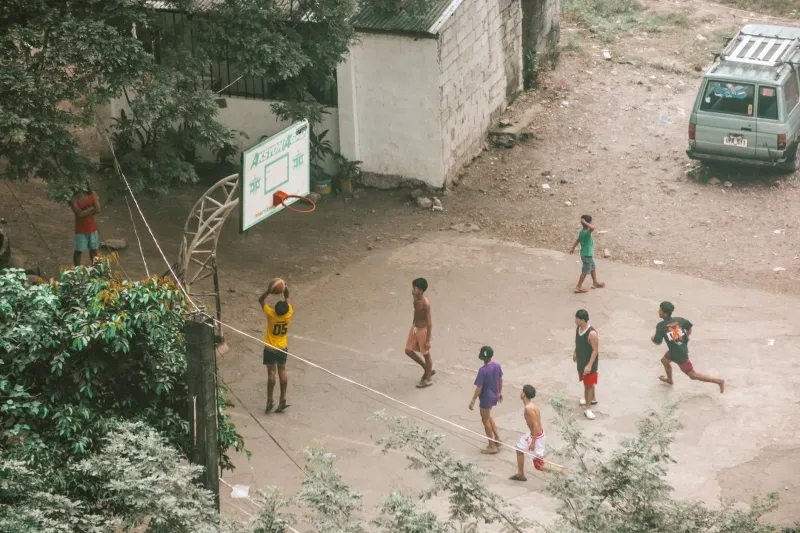
There's a version of American childhood that's almost impossible to explain to a kid today. You finished school, dropped your backpack inside the front door, and went outside. Not to a scheduled practice. Not to a facility with artificial turf and a certified trainer overseeing your development. You went to a vacant lot, or a driveway, or a park with a bent hoop, and you played. You made up the rules as you went. Arguments were settled by consensus or by someone going home in a bad mood. Nobody's parent was watching. Nobody was tracking your progress.
You got better because you played constantly, and you played constantly because it was the most interesting thing available to you. That was the entire system.
The Sandlot Was the Academy
For the better part of the 20th century, American athletic development was almost entirely unstructured at the youth level. Kids played sandlot baseball in empty lots, pickup basketball on cracked courts, street football with telephone poles as end zones. There were no tryouts for these games. There were no cuts. There was no coach telling you to work on your footwork. You just showed up and competed against whoever else showed up.
This wasn't a philosophy. It wasn't a deliberate developmental model. It was just what kids did before there was anything else to do. The structure came later, in high school, when organized teams finally entered the picture. By that point, most kids had already spent years developing instincts, creativity, and a feel for the game that no drill could fully replicate.
Many of the greatest American athletes of the 20th century came out of exactly this environment. Willie Mays played stickball in the streets of Birmingham. Bill Russell played pickup basketball on public courts in Oakland. Walter Payton ran through the woods behind his house in Columbia, Mississippi, with no coach, no program, and no performance metrics. The development happened in the dirt, not in a facility.
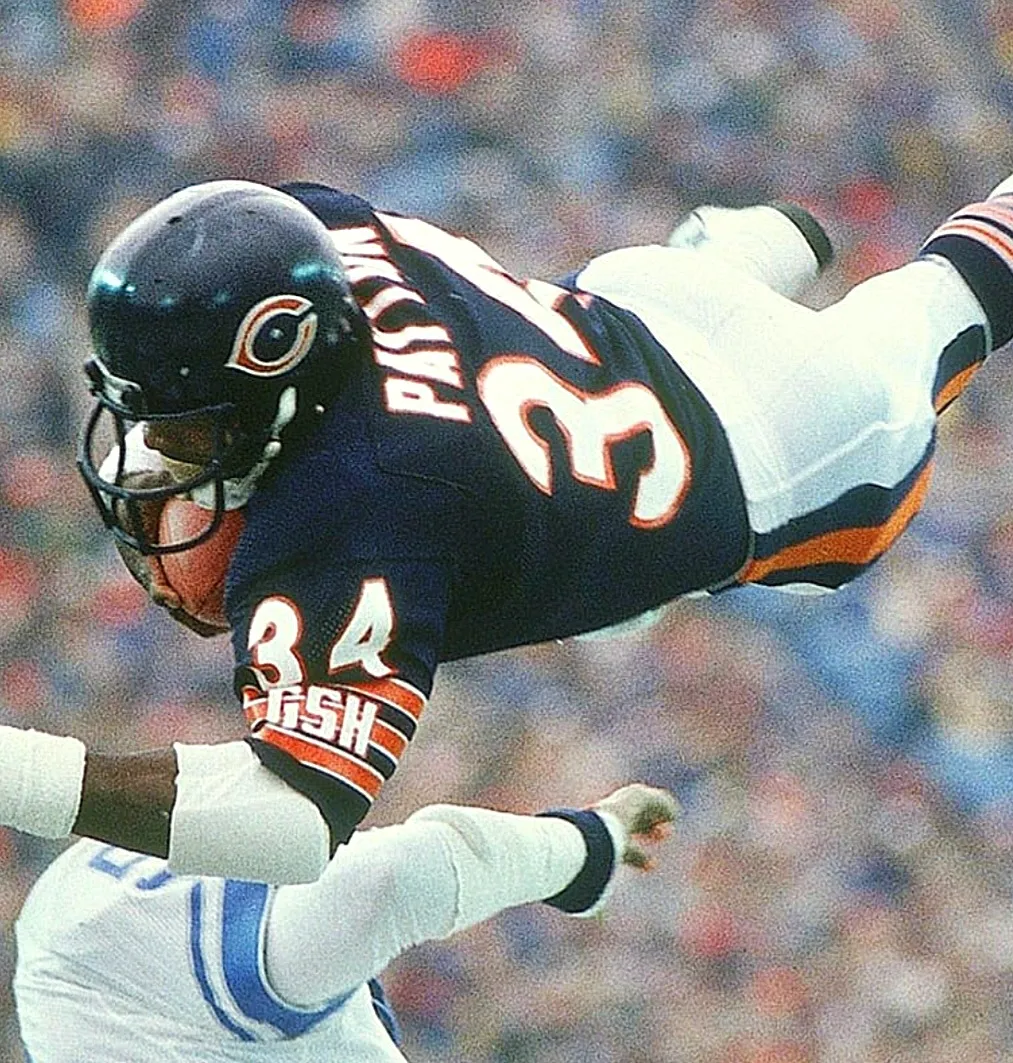 Photo: Walter Payton, via m.media-amazon.com
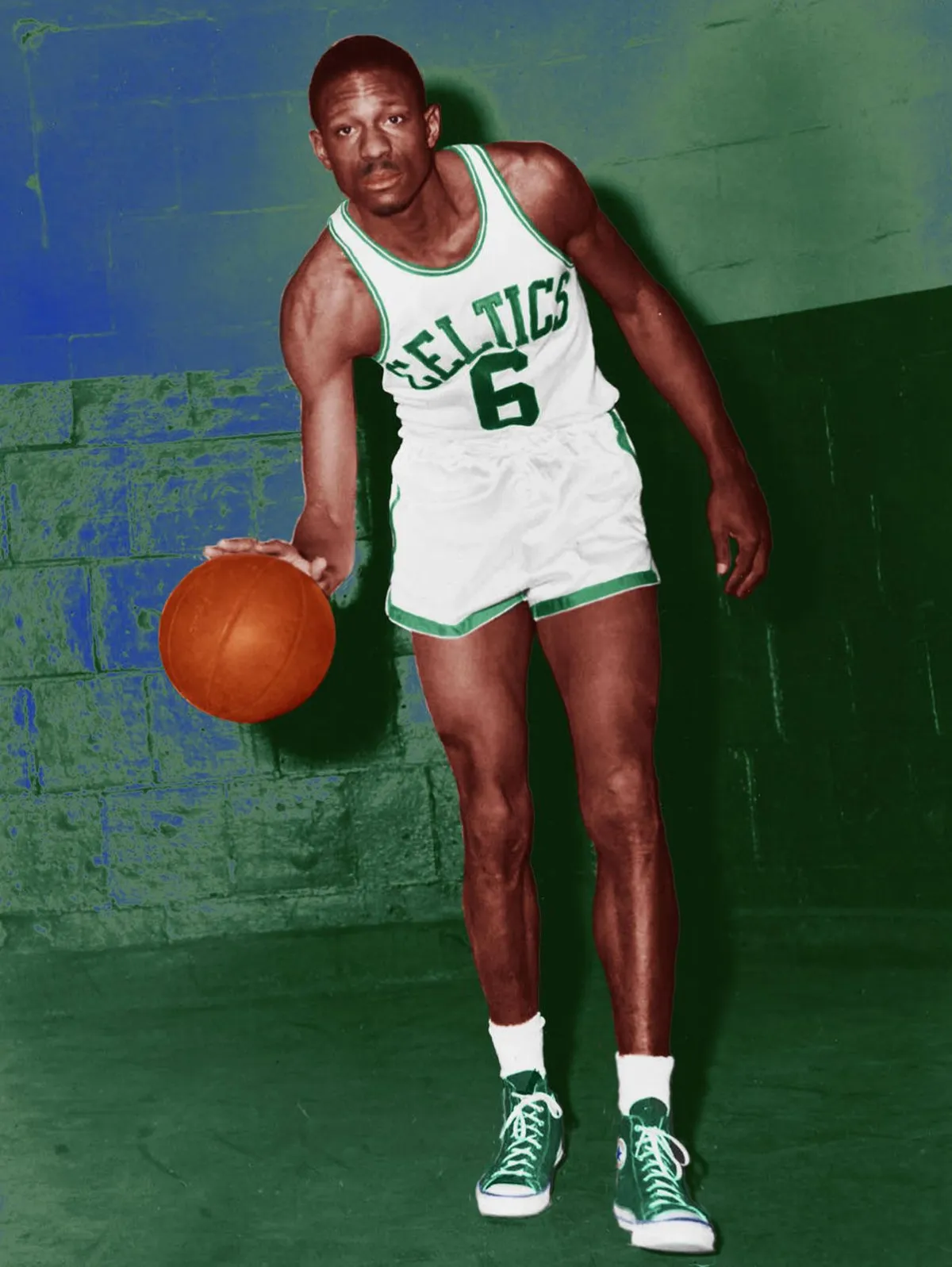 Photo: Bill Russell, via cdn.britannica.com
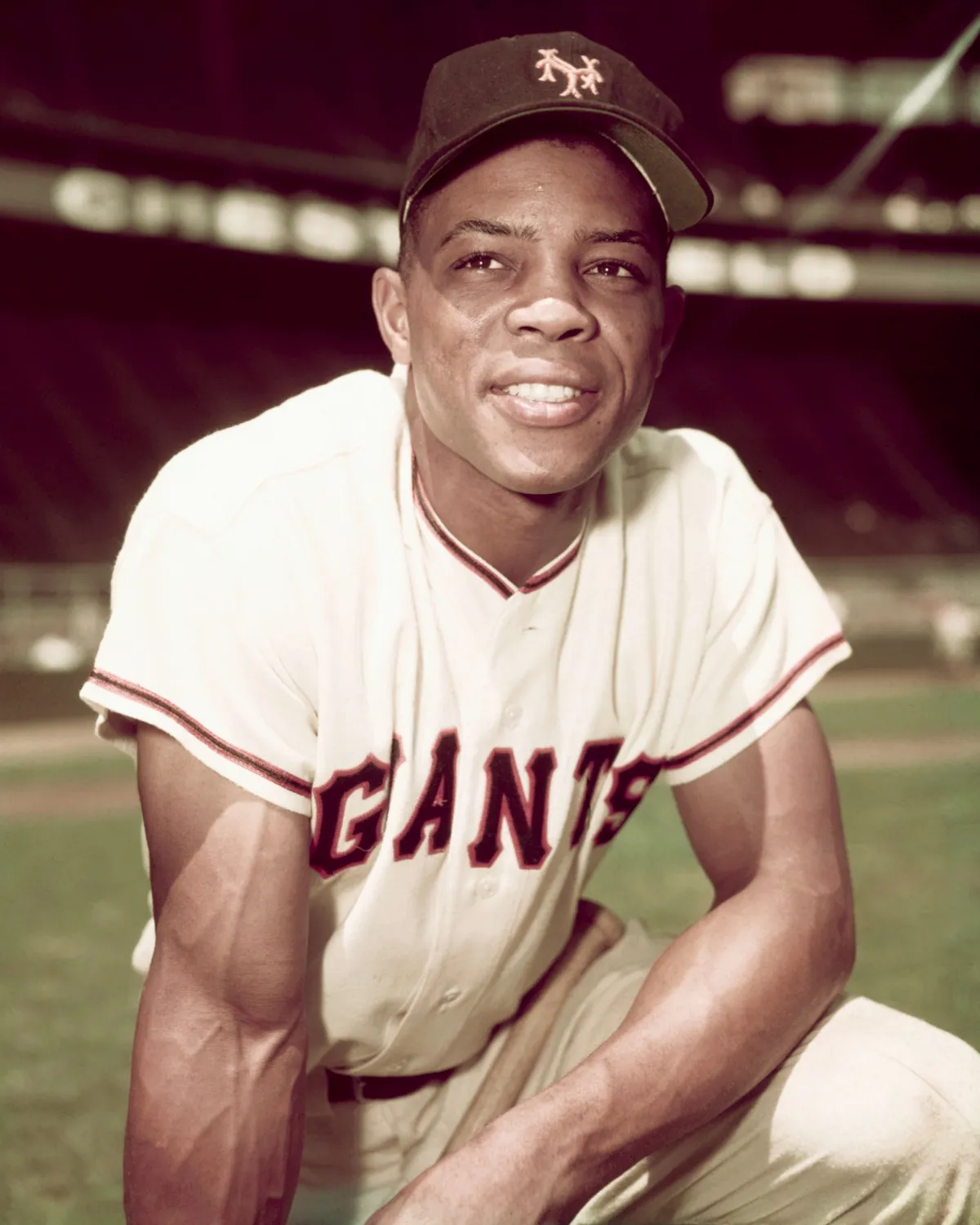 Photo: Willie Mays, via i.abcnewsfe.com
The Professionalization of Childhood
Something started shifting in the 1980s and accelerated sharply through the 1990s and 2000s. Organized youth sports leagues expanded. Club teams and travel programs multiplied. Parents who had grown up in the sandlot era began to suspect — or were told — that unstructured play wasn't enough anymore. If your kid wanted to compete seriously, they needed structured coaching earlier. They needed repetitions. They needed a plan.
Today, that logic has been taken to its extreme conclusion. The American youth sports industry generates an estimated $19 billion annually. Travel baseball teams charge families anywhere from $3,000 to $10,000 per season for tournaments that require flights, hotels, and weekend after weekend away from home. There are private hitting coaches for twelve-year-olds. There are speed and agility trainers who specialize in athletes who haven't yet hit puberty. There are showcases — events where middle schoolers perform in front of coaches and scouts — designed to build recruiting profiles years before high school begins.
Specialization arrived alongside all of this. Where previous generations played multiple sports through their teenage years and beyond, today's youth sports culture increasingly pushes kids toward year-round commitment to a single sport before they're old enough to have a clear sense of what they actually enjoy. The American Academy of Pediatrics has published guidelines warning about the physical and psychological risks of early specialization. The warnings have not significantly slowed the trend.
What the Screen Changed — and What It Didn't
The rise of video games and, later, smartphones didn't create the professionalization of youth sports, but it accelerated the logic behind it. When the alternative to organized sports is a screen, unstructured outdoor play loses one of its primary advantages: it used to be the most compelling option available. A kid in 1965 chose the sandlot over boredom. A kid in 2005 chose the sandlot over a PlayStation. Those are different calculations.
The result is a generation of young athletes who are, in some measurable ways, more technically developed at younger ages than their predecessors — and who are also burning out faster, sustaining overuse injuries at alarming rates, and walking away from sports earlier. Studies have found that kids who specialize in a single sport before age twelve are significantly more likely to quit that sport entirely by their mid-teens than kids who played multiple sports in an unstructured environment.
The sandlot didn't just develop athletes. It developed people who loved to play. That's a harder thing to engineer.
The Invisible Curriculum
What the old model gave kids that the new model struggles to replicate is something developmental psychologists call intrinsic motivation — the desire to do something because you genuinely want to, not because a schedule demands it or a parent is watching from the sideline.
Unstructured play also taught negotiation, conflict resolution, and creative problem-solving in ways that coached environments can't fully replicate. When there's no referee, you have to figure out whether the ball was in or out. When there's no coach, you have to figure out who plays what position. When there's no parent, you have to manage your own emotions after a bad call. Those are life skills disguised as games.
None of that is to say the old system was perfect. It was often exclusionary. It rewarded kids with access to space and community, which wasn't equally distributed. Formal youth programs have opened doors for kids who would never have found their way into competitive sports through pickup games alone.
But something was lost in the trade. The kid who spent a thousand hours playing pickup basketball on a cracked public court developed something that's genuinely difficult to manufacture in a structured environment: an unself-conscious relationship with the game, a fluency born from play rather than instruction.
Were We Ever Here?
The vacant lots are mostly still there. The basketball courts haven't disappeared. But the culture that filled them with kids on weekday afternoons has largely moved on — to organized practice, to screens, to the complicated machinery of modern youth athletics.
Somewhere between the sandlot and the travel league, between the bent hoop and the certified trainer, American sports development crossed a threshold it hasn't come back from. Whether that's progress depends entirely on what you think sports are for.