No Sideline Reporters, One Trainer, and a Cigarette at Halftime: An NFL Sunday in 1965, Hour by Hour
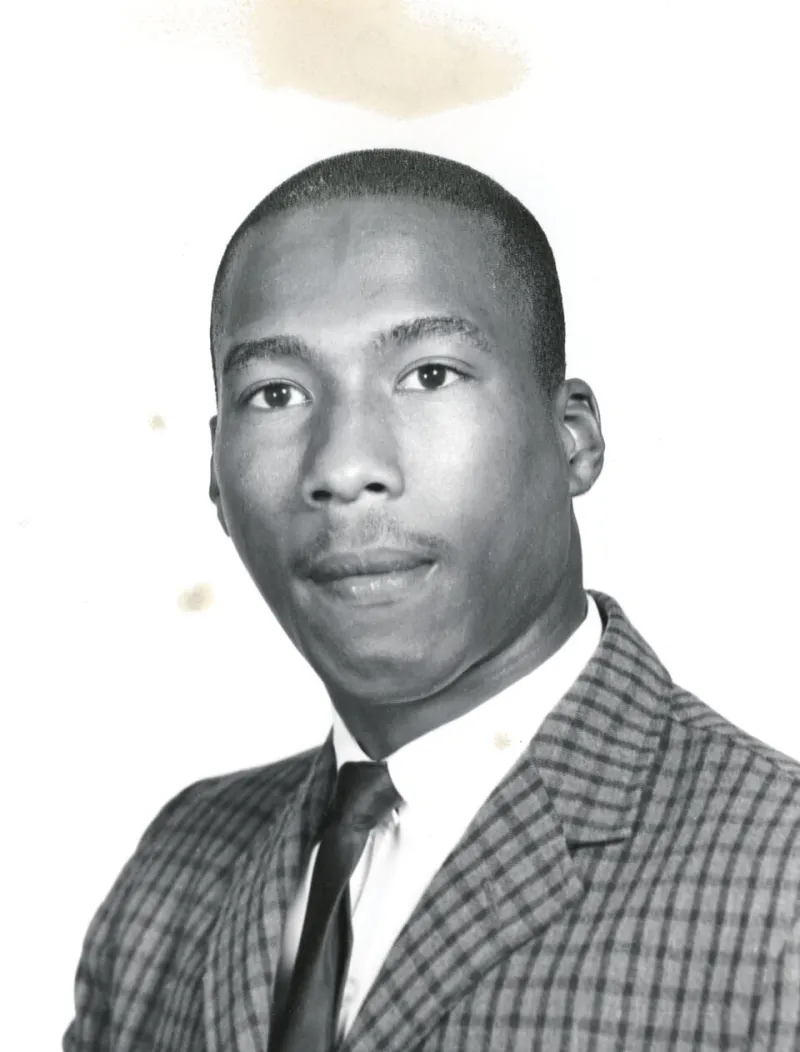
Photo: University of Texas at Arlington Photograph Collection, CC BY 4.0, via Wikimedia Commons
Let's walk through an NFL Sunday in 1965, hour by hour, and compare it to what shows up on your screen today. The sport is the same. Almost nothing else is.
8:00 AM — The Pre-Game 'Show' Is a Radio Guy
There is no four-hour pregame spectacle. No studio panel, no drones over the stadium, no breaking-news ticker about a quarterback's oblique. If you want to know what's happening around the league, you read the Sunday paper — the actual paper — where agate-type box scores from yesterday's college games sit next to a preview column. TV coverage, when your market gets it, starts about thirty minutes before kickoff with a single announcer or a two-man booth. There is no sideline reporter. There are maybe three cameras.
Today: roughly 200 cameras, a blimp, and a pregame show that starts before most fans have finished their coffee.
10:30 AM — The Trainer Is the Medical Staff
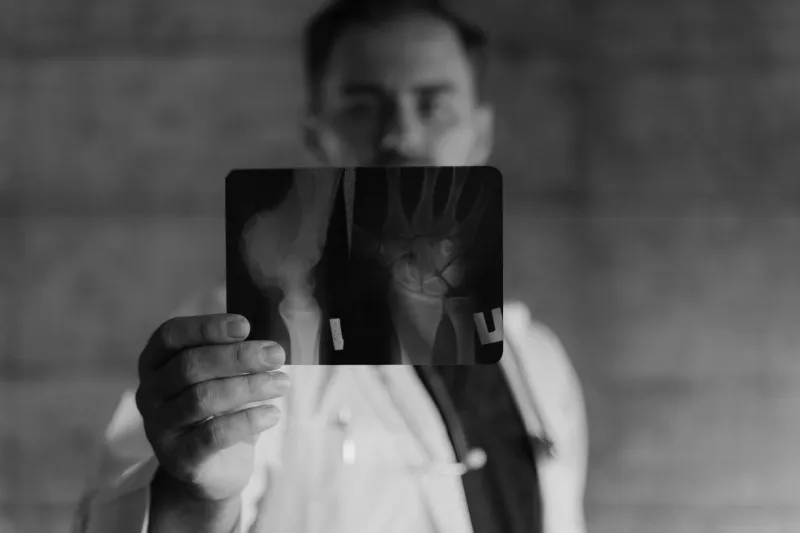
Here's the detail that stings. A typical 1965 NFL team employed one trainer — often the same person who taped ankles and drove the equipment truck — and a team physician who likely also treated patients in town all week. There were no athletic performance coaches, no sleep scientists, no nutrition staff designing position-specific meal plans.
Players drank whatever was in the cooler, which was usually water, and took salt tablets because that was the science of the day. Concussions weren't diagnosed; they were 'dings,' and the standard treatment was a quick question on the sideline and a return to the huddle. The injury report as we know it — the carefully worded, league-policed document — didn't exist in any meaningful form.
12:00 PM — One Football, No Substitution Circus
The game itself ran on a different logic. Substitution rules were far stricter, which meant players went both ways far more often than you'd believe — the two-way pro was dying out, but specialists were nowhere near the cottage industry they are today. Your nickel back didn't exist. Your third-down edge rusher didn't exist. A linebacker was a linebacker on every down.
Coaching staffs were skeletal: a head coach and a handful of assistants, not the 20-plus-person staffs of today. Film study meant actual film — 16mm reels that had to be developed, shipped, and threaded through a projector. A coach might see two or three previous opponents' games. A modern staff has every snap of every game, cut and graded, by Tuesday.
Halftime — Yes, the Cigarettes
This is the detail that gets people. Locker rooms in the 1960s were, by modern standards, a health hazard. Coaches and players smoked. Hall of Fame sideline legends were often photographed with a cigarette going at halftime. Beer was available in the locker room after games. The idea of a 26-year-old franchise quarterback having a designated 'recovery smoothie' would have gotten you some looks.
4:00 PM — The Fan Goes Home Knowing Almost Nothing
The game ends. There's no postgame show with stat graphics and player-of-the-game presentations. Fans file out and head home — and here's the remarkable part — they will not see highlights of this game until the following weekend, if at all. NFL Films was in its infancy. Monday night football didn't exist yet. If you missed the game, you read about it Monday, or you waited for the highlight reels that toured movie theaters in some markets.
Today, the final whistle triggers an avalanche: press conferences streamed live, instant analysis, every controversial call dissected from six angles within minutes.
The Same Game, A Different Universe
What's striking isn't that football changed. It's that everything around it changed — the medicine, the media, the meals, the money — while the core product, twenty-two players and a ball, stayed identical. The 1965 fan and the 2025 fan are watching the same sport. They are experiencing almost nothing else in common.