Your Shortstop Made About What Your Dad Did: The Economic Wall We Built Between Athletes and Fans
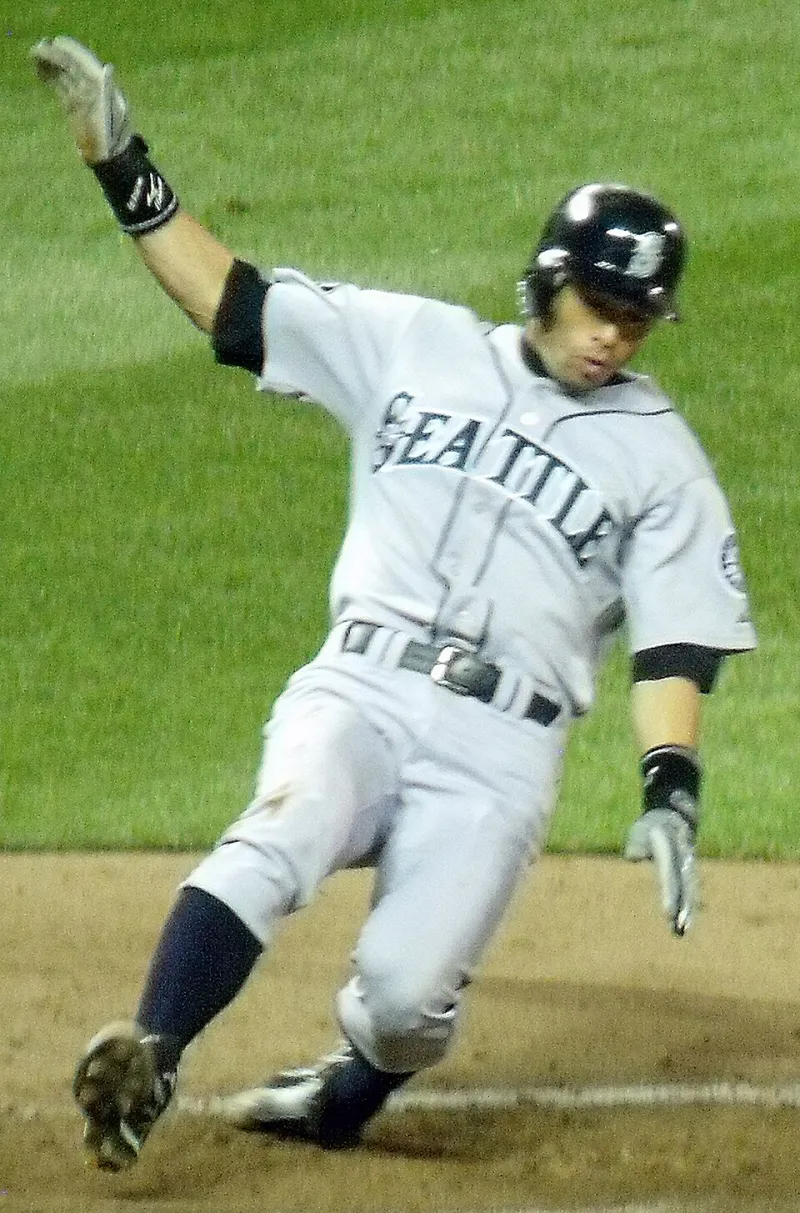
Photo: Jeffrey Hayes, CC BY 2.0, via Wikimedia Commons
Here's a number that will land strangely: in the early 1970s, the average Major League Baseball player earned somewhere in the neighborhood of $30,000 a year. A schoolteacher with a decade of experience made about the same. So did a solid accountant, a pharmacist, a mid-level manager at a steel plant.
Sit with that for a second. The man patrolling shortstop for your team and the man teaching your kid algebra were, financially, the same person.
The Reserve Clause Was a Cage — For Everyone
The reason was the reserve clause, the contract provision that bound a player to his team essentially for life. Teams could renew a player's contract year after year, and with no free agency and no real union leverage, salaries stayed pinned near what ownership considered fair — which was to say, near what an ordinary professional might earn.
Was it exploitative? Absolutely. Players generated enormous revenue and captured a sliver of it. Curt Flood's sacrifice in 1969 and the Messersmith-McNally arbitration case in 1975 eventually blew the system open, and nobody should romanticize an era when athletes had no bargaining power and owners pocketed the difference.
But something unintended happened in the wreckage, and we've never fully reckoned with it.
The Athlete Was Actually Your Neighbor
Because players earned teacher money, they lived teacher lives. They bought houses in the suburbs near the ballpark — often the same suburbs as the fans. They had offseason jobs, sometimes selling insurance or working at a car dealership owned by a sponsor. They sent their kids to the same schools. They were visible at the same restaurants, the same hardware stores, the same churches.
Fan loyalty in that era wasn't just about the logo on the cap. It was about proximity. You could know a player's mortgage was roughly yours. When he slumped, the booing had a different texture — he was one of us having a bad stretch, not a $300 million asset underperforming his projection.
Then Free Agency Blew the Wall Down
Free agency was justice, and it also detonated the economic relationship. Salaries didn't just rise; they ascended into a different atmosphere. By the 1990s, star players out-earned entire rosters from decades past. Today, the average MLB salary sits north of $4 million, and a single superstar's contract could fund a mid-sized company's payroll.
The result is an economic wall that didn't used to exist. The athlete doesn't live in your neighborhood because your neighborhood can't support the house. He doesn't have an offseason job because the offseason job would be a rounding error. He is, structurally, a different class of person — not by arrogance, but by arithmetic.
And fans feel it, even if they can't articulate it. The modern complaint that players 'don't care' or are 'just mercenaries' isn't really about effort. It's about distance. Loyalty is easy to extend to someone whose life resembles yours. It's harder to extend to someone whose backup plan is a broadcasting deal worth more than your lifetime earnings.
What We Lost Isn't Nostalgia — It's Connection
To be clear: players deserve every dollar. The old system was theft wearing a blazer. The answer isn't to pay athletes less.
But it's worth naming what changed. The highlights are better. The analytics are dazzling. The product on the field is arguably the most athletic it's ever been. Yet the relationship between the fan and the athlete — the thing that made sports feel like community rather than entertainment — was priced out of reach.
We used to watch our neighbors play. Now we watch shareholders. And no amount of jersey patches or player-podcast access has quite rebuilt the bridge that money tore down.