Hello, Central: The Human Being Who Stood Between You and Everyone Else
Pick up the phone today and the call is already halfway there before you've finished thinking about it. Tap, connect, done. The whole thing happens in a fraction of a second, and not a single other human being is involved in getting you through.
It wasn't always like that. For most of the twentieth century, making a phone call meant asking for help. And the person you asked knew your name.
The Switchboard Was the Internet
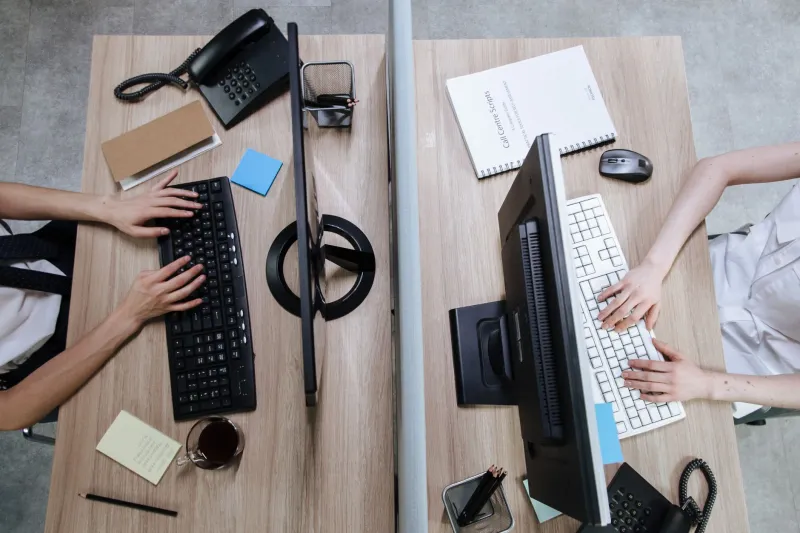
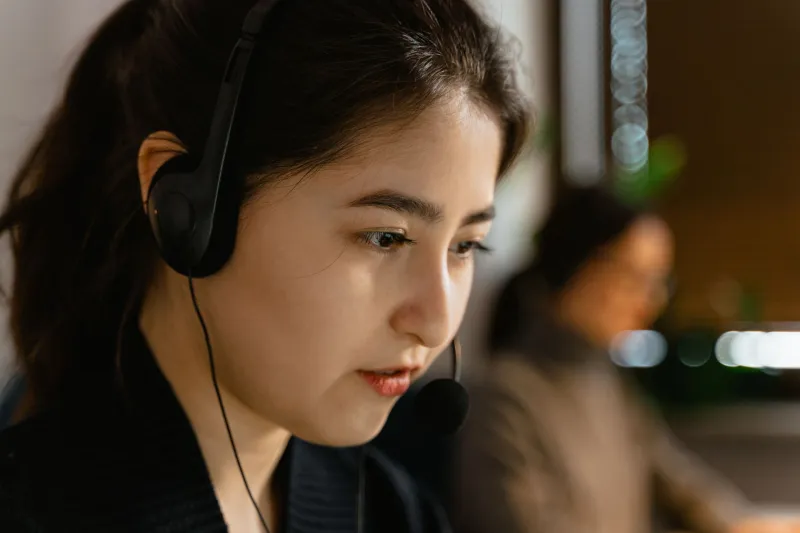
In the 1920s, 30s, 40s, and well into the 1950s, telephone exchanges across the United States were staffed by operators — trained workers, overwhelmingly women, who sat at massive switchboards and physically connected one line to another using a plug-and-cord system that looked like something out of a science fiction film. You'd lift the handset, and instead of a dial tone leading anywhere, you'd get a voice. "Number, please." You'd give it. She'd make the connection. That was the phone call.
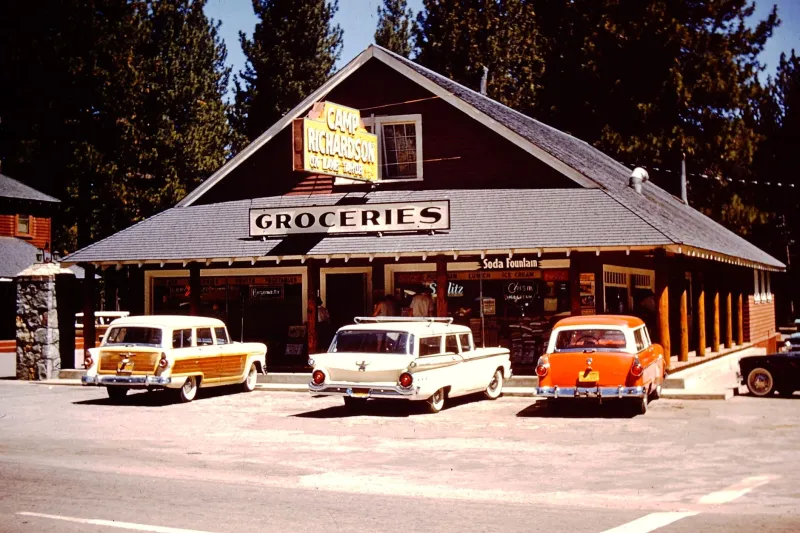
In smaller towns, these operators didn't just know your number. They knew you. They knew your wife was sick. They knew your business had been slow. They knew your son had just come back from Korea. When emergencies happened — fires, accidents, someone collapsing in the street — people didn't call 911 (that system didn't exist until 1968). They called the operator. She was the emergency network. She was also, in a lot of ways, the town's unofficial information desk.
It's hard to overstate how different that made communication feel. Every phone call had a witness.
The Party Line Problem
If the operator was the first layer of intimacy built into early telephone culture, the party line was the second. For much of rural and small-town America, private lines were a luxury. What most households shared was a party line — a single telephone circuit split between multiple homes in a neighborhood. Your line might be shared with two families, or six.
Each household had a distinct ring pattern. Two long rings might be yours. One short and one long might be your neighbor's. The idea was that you'd only pick up for your own ring. The reality was... messier. Neighbors listened. Sometimes obviously, sometimes not. You'd hear the faint click of someone lifting a receiver mid-conversation, and you'd know. Maybe you'd pause. Maybe you'd just keep talking and figure they already knew anyway.
Privacy, in that era, was more of a social agreement than a technical guarantee. You trusted the people on your line to behave decently. Some did. Some absolutely did not.
For anything truly sensitive — a medical situation, a financial problem, a family crisis — you either chose your words carefully, walked to a neighbor's house, or waited until you could use a phone elsewhere. The idea of a completely private, instantly connected conversation was not something most Americans had access to until well into the 1960s and beyond.
What a Phone Call Actually Cost
Beyond the human infrastructure, there was the expense. Long-distance calls were priced by the minute and by the mile, and the rates were steep enough that most families treated them like a special occasion. You didn't call your cousin in Ohio just to chat. You called because something had happened. Birthdays, sometimes. Emergencies, definitely. But casual long-distance conversation was a luxury most households simply didn't budget for.
Even local calls required planning. If you needed to reach someone, you called during reasonable hours. There was no leaving a voicemail, no sending a text to say you'd tried. If nobody answered, you tried again later. If the line was busy — and busy signals were a constant feature of the era — you waited and redialed. Communication required patience in a way that's genuinely difficult to explain to anyone under 35.
When the Technology Got Personal, the Ritual Disappeared
Direct dialing — the ability to connect a call yourself without an operator — spread gradually through the 1950s and 60s. By the time touch-tone phones became standard in the 1970s, the operator was already becoming a relic for everyday calls. Private residential lines became the norm. Long-distance rates dropped. The social architecture built around shared access and human intermediaries quietly dissolved.
And with it went something harder to quantify. The operator who knew everyone on her exchange wasn't just a convenience — she was a connective tissue in the community. The party line, for all its invasiveness, meant that people were genuinely aware of each other's lives in ways that felt both intrusive and binding. You were in each other's business because you literally shared infrastructure.
Today, the average American carries a device capable of reaching anyone on earth in seconds, with end-to-end encryption and no human intermediary of any kind. It is, by almost every technical measure, vastly superior. The call quality is better. The privacy is real. The cost is essentially nothing.
Something Got Cleaner. Something Got Quieter.
What's interesting isn't that we lost the operator. Of course we did — automation replaced her job the same way it replaced countless others. What's interesting is what her presence meant about the world she worked in.
A phone call used to be a small social event. It involved another person even before you reached the person you were trying to reach. It required a kind of patience and community trust that we don't really build into communication anymore. Your neighbors knew you were calling the doctor. Your operator knew you were having a rough week.
That was uncomfortable. It was also, in a way, a form of connection that we've since engineered entirely out of existence.
We have more privacy now. More speed. More access. What we don't have is the operator who asked how your mother was doing — and actually knew the answer before you gave it.