The Monday Morning Olympics: When Americans Discovered Champions Through Newspaper Headlines

When Olympic Glory Arrived by Mail Truck
Picture this: It's 1964, and American swimmer Don Schollander has just broken a world record in Tokyo, claiming his fourth gold medal of the Games. Back in California, his family won't know for another six hours. His high school classmates won't find out until they grab Tuesday's paper on their way to school. The rest of America? They'll catch up when Walter Cronkite mentions it on the evening news – if there's time after Vietnam coverage.
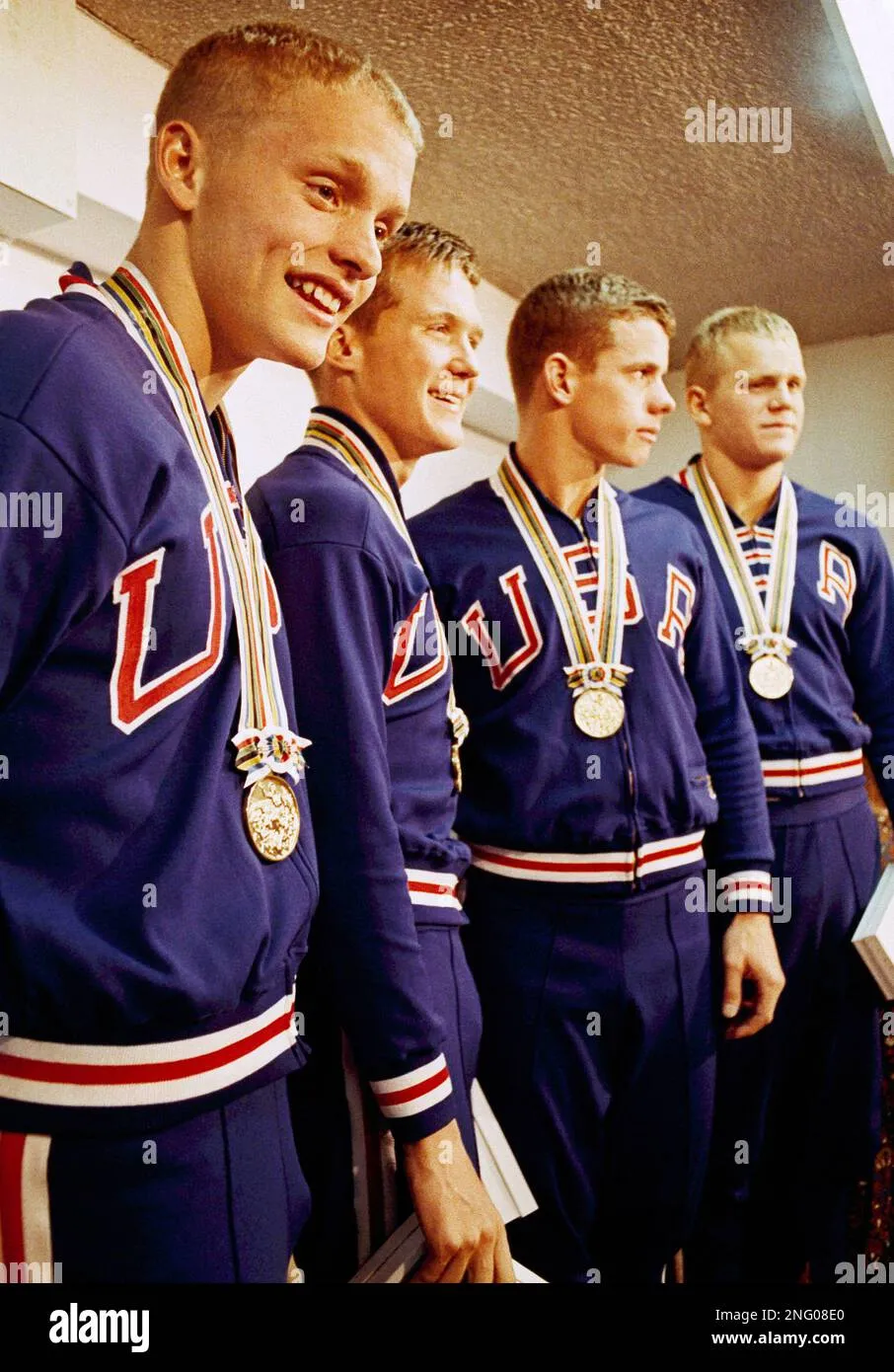 Photo: Don Schollander, via c8.alamy.com
This was Olympic fandom for most of the 20th century. While today we stream events live on our phones and get real-time medal counts pushed to our lock screens, American sports fans once experienced the Olympics as a delayed, fragmented story that unfolded over days rather than minutes.
The Newspaper Olympics
Before satellites could beam images across oceans in real time, Olympic coverage looked nothing like the wall-to-wall spectacle we know today. The 1936 Berlin Olympics reached American audiences primarily through newspaper dispatches, with journalists filing stories via telegraph that would appear in morning editions days after events concluded.
Reporters like Paul Gallico of the New York Daily News would watch Jesse Owens sprint to victory, then rush to file a story that wouldn't reach American breakfast tables until Hitler was already fuming about something else entirely. The drama was there, but it arrived with the morning coffee, not in living color.
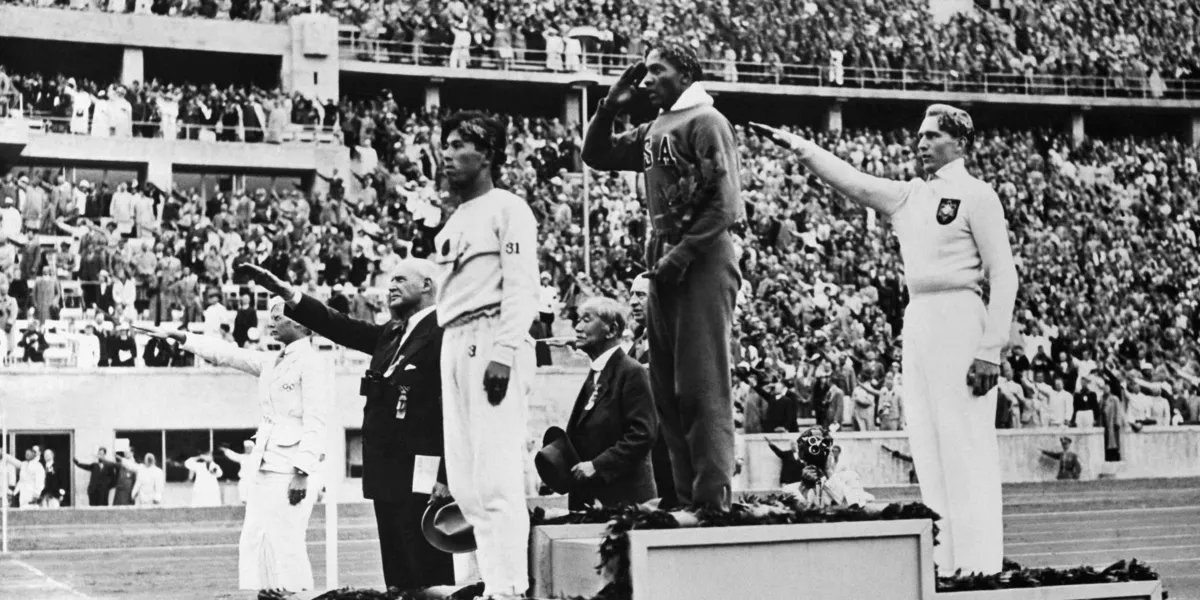 Photo: Jesse Owens, via res.cloudinary.com
Even radio coverage, when it existed, came hours after the fact. NBC's coverage of the 1936 Games consisted mainly of summary reports read from scripts, with announcers painting pictures of events they'd never seen. Fans learned to savor secondhand excitement, building mental images of athletic heroics from words alone.
The Six-Hour Time Machine
The real challenge wasn't just technology – it was time zones. When American swimmers were breaking records in Melbourne during the 1956 Olympics, it was yesterday back home. Fans went to bed on Friday night and woke up Saturday morning to discover that events they'd been anticipating had already happened on Sunday, Australian time.
This created a surreal relationship with Olympic competition. Instead of watching athletes prepare for their moment of truth, Americans were reading about whether they'd already succeeded or failed. The tension wasn't in the performance – it was in the discovery.
Local newspapers became treasure troves of delayed gratification. Sports editors would hold back results to build suspense, sometimes running headlines like "American Swimmer Attempts Record Tonight" when the swim had already happened twelve hours earlier. Readers knew they were living in the past, but they had no choice but to play along.
When Television Changed Everything (Sort Of)
The 1960 Rome Olympics marked the first time Americans could watch some Olympic events on television – but "watch" is a generous term. CBS paid $50,000 for broadcast rights and showed about 20 hours of coverage total, mostly filmed highlights packages that aired days after competition ended.
Even this delayed television coverage felt revolutionary. Instead of imagining Cassius Clay's boxing stance from a newspaper description, Americans could actually see the future heavyweight champion in action – eventually. The footage would arrive in New York via airplane, get processed in CBS studios, and appear on television screens roughly a week after the actual bout.
Viewers understood they were watching history, not news. It was like receiving a home movie from a relative's vacation, except the relative was representing your country on the world's biggest stage.
The Rumor Mill Olympics
Without instant communication, Olympic results spread through communities like wildfire – and just as unreliably. Word-of-mouth reports would filter through military radio operators, international business calls, and travelers returning from abroad. By the time official results reached American newspapers, local rumors had already declared three different winners.
This created its own kind of excitement. Olympic fandom became detective work, with fans piecing together fragments of information to understand what had actually happened. A phone call from a relative in London might contradict what the morning radio news reported, sending fans scrambling to figure out which version was true.
Some communities organized around this uncertainty. Sports bars would post conflicting reports on chalkboards, with patrons debating which sources were most reliable. The Olympics became a puzzle to solve rather than a show to watch.
What We Lost in the Translation to Real Time
Today's Olympic coverage delivers everything instantly: live streams, instant replays, athlete biographies, medal counts, and social media reactions from competitors still catching their breath. We know more about Olympic competition than the athletes' own coaches knew just decades ago.
But something disappeared in that transition. The old system created a different relationship with Olympic achievement – one built on anticipation, imagination, and delayed gratification. When American fans finally learned that their swimmers had dominated in Tokyo or their gymnasts had stunned in Munich, the news carried weight that our instant notifications can't match.
The Monday morning Olympics weren't better or worse than today's real-time spectacle. They were just completely different – a reminder that the way we experience sports is as much about technology as it is about athletic performance. In a world where we can watch Olympic trials live on our phones while grocery shopping, it's worth remembering when discovering Olympic results required patience, newspapers, and a willingness to live a few days behind the action.