The Sound of Speed: How Baseball Scouts Judged Fastballs Before Numbers Ruled the Game

When Pop Meant Power
The crack of the bat gets all the glory, but old-school baseball scouts lived for a different sound entirely: the sharp pop of a fastball hitting leather. Before radar guns turned velocity into precise science, that sound – along with a batter's panicked reaction – told scouts everything they needed to know about a pitcher's arm strength.
In 1974, when Nolan Ryan was throwing what we now know were 100+ mph fastballs, scouts couldn't measure them. They could only listen, watch, and trust decades of experience to tell them they were witnessing something special. The number 100 didn't exist in scouting reports because the number couldn't be measured. Instead, scouts wrote things like "exceptional velocity" or "plus-plus fastball" – descriptions that meant everything and nothing at the same time.
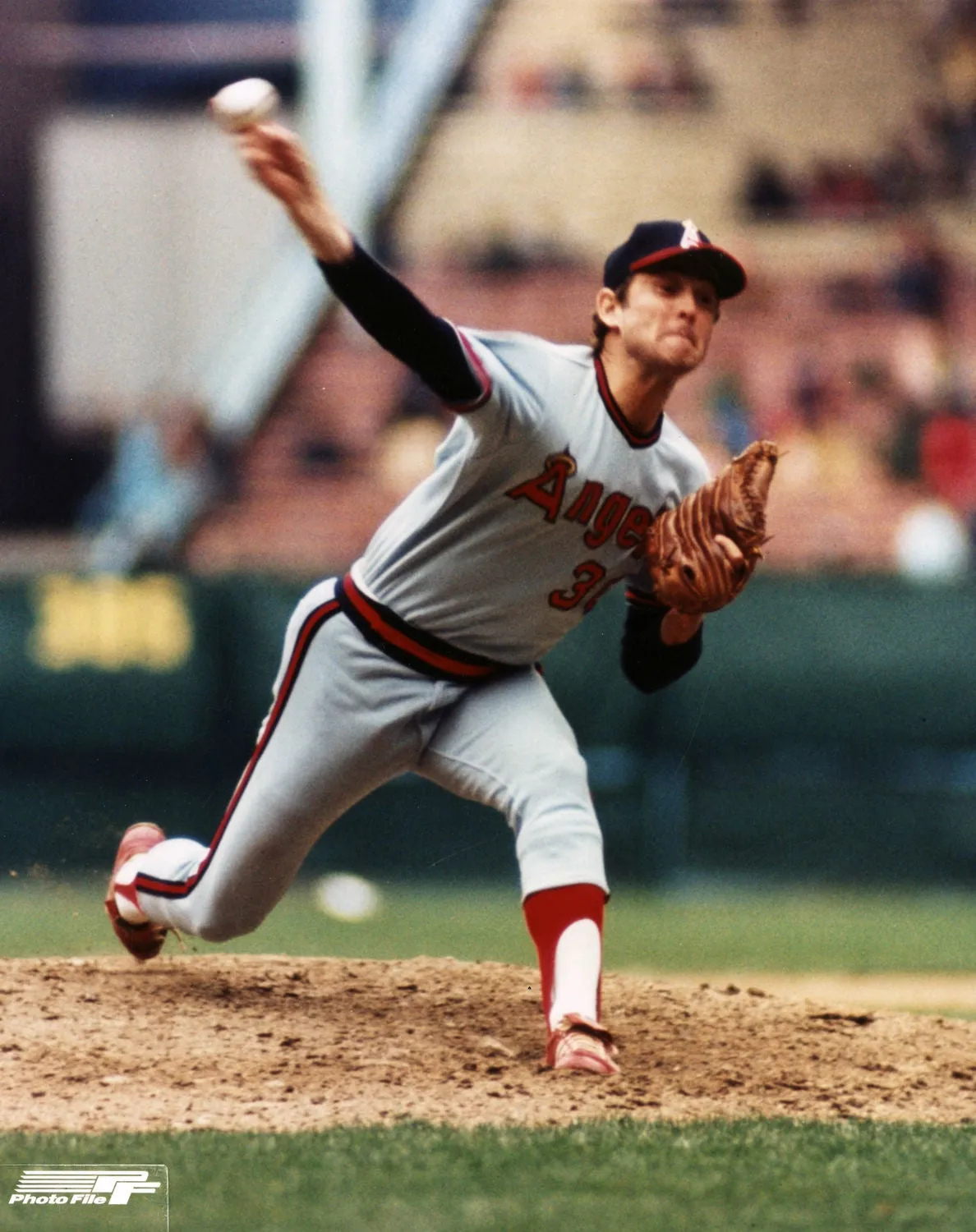 Photo: Nolan Ryan, via baseballhall.org
The Art of Eyeball Scouting
Before technology invaded baseball, scouting was pure human judgment. Veterans like Buck O'Neil and Tom Greenwade – the man who discovered Mickey Mantle – evaluated pitchers through a combination of visual cues that today's analytics departments would consider laughably primitive.
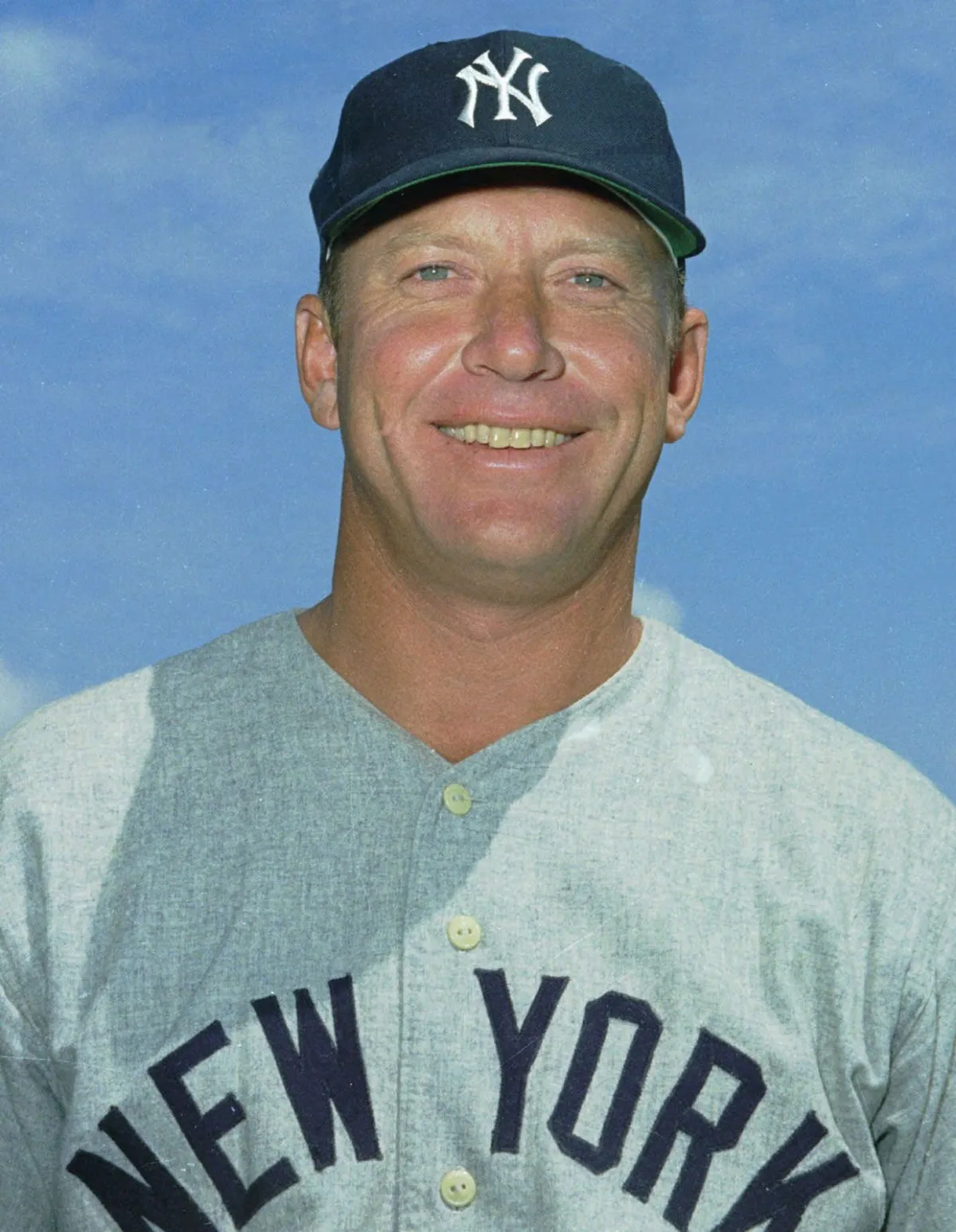 Photo: Mickey Mantle, via cdn.britannica.com
They watched how quickly the ball traveled from the pitcher's hand to home plate, but more importantly, they studied what happened when it got there. Did the catcher's glove snap back? Did his hand sting through the mitt? Was he calling for a break between pitches to shake out his fingers? These weren't statistics – they were tells that separated the good arms from the great ones.
The most reliable indicator wasn't the pitcher at all, but the batter. Scouts would position themselves behind home plate and watch hitters' reactions. A late swing meant good velocity. A foul tip straight back meant better velocity. A batter stepping out of the box and adjusting his helmet? That meant the kid on the mound had something special.
When Gut Feelings Were Worth Millions
Without radar readings to rely on, scouts developed an almost supernatural ability to gauge arm strength. They'd watch a 17-year-old pitcher in rural Oklahoma and know, purely through instinct, whether he had major league velocity. These judgments determined which players got signed and which went home to find real jobs.
Consider the story of J.R. Richard, the Houston Astros' intimidating right-hander of the 1970s. When scout Pat Gillick first saw Richard pitch in high school, he couldn't measure the fastball's speed. But he could see catchers struggling to handle it, batters bailing out of the batter's box, and opposing coaches shaking their heads in disbelief. That was enough to convince Houston to make Richard their first-round pick in 1969.
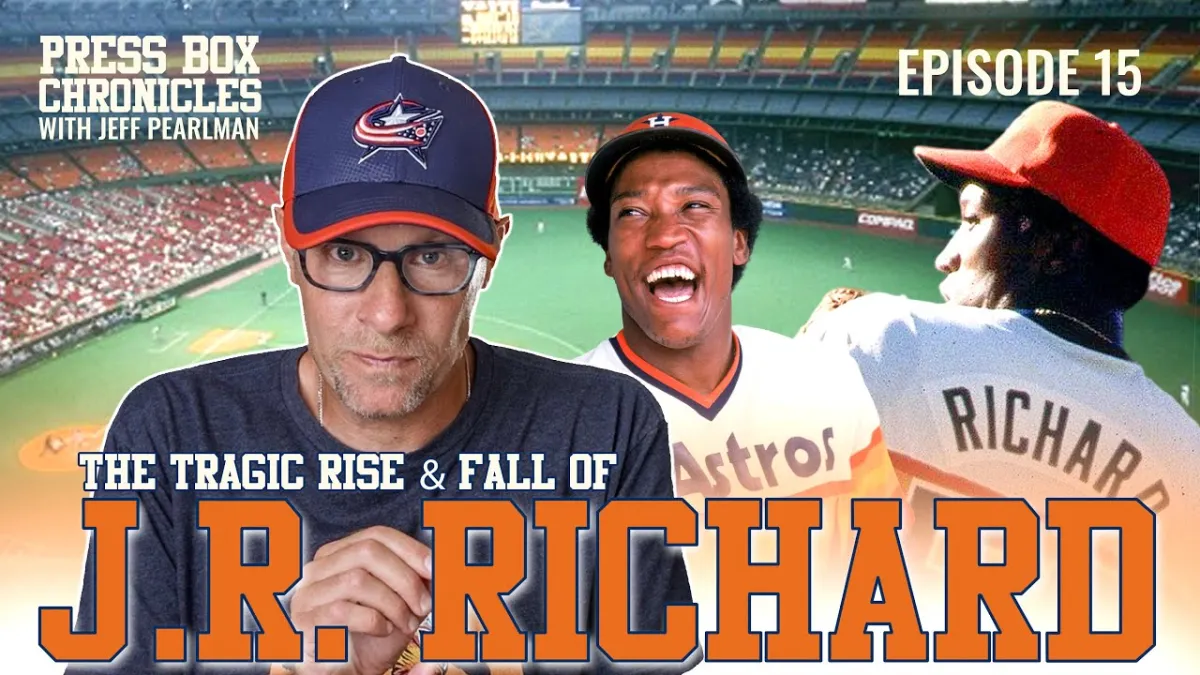 Photo: J.R. Richard, via i.ytimg.com
Gillick's evaluation proved prescient – Richard would later be clocked throwing 100 mph – but in 1969, that validation was still years away. The signing was based entirely on human observation and baseball intuition.
The Catcher's Secret Weapon
Catchers became unwitting accomplices in the pre-radar gun scouting process. Their equipment, positioning, and reactions provided crucial intelligence about pitcher velocity that scouts learned to read like a book.
A catcher who set up unusually deep behind home plate was advertising his pitcher's arm strength. One who repeatedly called time to massage his hand was sending an even clearer message. The most telling sign was when catchers would subtly position themselves to catch the ball on the outer edge of their glove, reducing the impact on their palm. Smart scouts knew this meant the pitcher was bringing serious heat.
Some catchers became legendary for their ability to handle hard throwers, and scouts would specifically seek them out to gauge unfamiliar pitchers. If a catcher known for handling velocity looked comfortable, the pitcher probably had an average fastball. If the same catcher was grimacing after every pitch, scouts knew they were watching something special.
When Sound Told the Story
The audio signature of a fastball became as important as its visual impact. Experienced scouts could distinguish between different velocity ranges just by listening to the ball hit the catcher's mitt. A soft thud meant average speed. A sharp crack suggested above-average velocity. The rare pop that echoed through the ballpark – that meant the pitcher had professional potential.
This auditory scouting created its own vocabulary. Scouts would describe fastballs as having "good carry," "heavy sink," or "riding life" – terms that attempted to capture the physical properties they could observe but not measure. A fastball with "riding life" appeared to rise as it approached the plate, creating the optical illusion that made great fastballs so difficult to hit.
The sound also revealed deception. A pitcher might look like he was throwing hard, but if the ball hit the glove with a soft thump, scouts knew the velocity was manufactured through aggressive body language rather than genuine arm strength.
The First Radar Revolution
When radar guns finally arrived in professional baseball during the mid-1970s, they didn't immediately transform scouting. The early devices were bulky, expensive, and often inaccurate. Many scouts treated them as interesting novelties rather than essential tools.
The real revolution came when radar readings began appearing on stadium scoreboards in the 1980s. Suddenly, fans could see what scouts had been estimating for decades. A 95 mph fastball wasn't just fast – it was measurably, objectively fast. The mystery disappeared, replaced by digital precision.
This transparency changed everything. Pitchers became obsessed with velocity numbers rather than effectiveness. Scouts started prioritizing radar readings over results. The human element that had defined talent evaluation for over a century gradually gave way to data-driven analysis.
What We Lost When Numbers Took Over
Today's scouting combines radar gun readings with video analysis, biomechanical assessments, and spin rate measurements. We know more about pitcher performance than ever before, but we've lost something in the translation from art to science.
The old scouts who evaluated talent through sound, instinct, and batter reaction developed a holistic understanding of what made pitchers effective. They weren't just measuring velocity – they were assessing competitiveness, deception, and the intangible quality that separated throwers from pitchers.
Modern analytics can tell us that a fastball travels 97.3 mph with 2,400 RPMs of backspin, but they can't measure the fear in a batter's eyes or the confidence in a pitcher's delivery. Those human elements, once central to talent evaluation, have become footnotes in an increasingly numbers-driven game.
The radar gun didn't just change how we measure fastballs – it changed what we value about them. In gaining precision, we lost the poetry of scouting by sound, the art of reading human reactions, and the trust in experienced eyes that built baseball's talent pipeline for over a century.