Rubbing Alcohol and Prayer: When Sports Medicine Was More Like Witchcraft
The Team Doctor's Bag of Tricks
In 1952, Detroit Lions quarterback Bobby Layne limped off the field with what we'd now recognize as a severe ankle sprain. The team physician's treatment? A shot of bourbon, some liniment rubbed into the skin, and instructions to "walk it off" before the next series. Layne played the rest of the season on what was likely a fractured bone, developing arthritis that plagued him for decades.
This wasn't medical malpractice—it was standard operating procedure. For most of sports history, team physicians operated with about as much scientific backing as a frontier medicine show. Their toolkit consisted of alcohol (both for drinking and rubbing), various oils and ointments, and an unwavering belief that pain was simply weakness leaving the body.
When Ice Was Revolutionary
Believe it or not, applying ice to injuries was considered radical as recently as the 1960s. Most team trainers swore by heat—steaming hot towels, heating pads, and warm baths were the go-to treatments for everything from bruises to torn muscles. The logic seemed sound: heat increases blood flow, so more heat must mean faster healing.
Except it was completely backward. Heat actually increases inflammation and swelling, turning minor injuries into major problems. Countless athletes from the 1940s and 1950s suffered permanent damage because their "cutting-edge" medical care involved sitting in hot tubs with injured joints.
The transition to ice therapy didn't happen until the late 1960s, and even then, many old-school trainers resisted. Chicago Bears trainer Ed Rozy famously refused to stock ice in his training room until 1971, claiming it made players "soft."
The Concussion Protocol: Just Shake Your Head
Perhaps nowhere was early sports medicine more dangerous than in treating head injuries. The standard concussion protocol through the 1980s was elegantly simple: if a player could remember his name and the score, he was cleared to play. No neurological testing, no cognitive assessments—just a quick "how many fingers am I holding up?" before sending athletes back into harm's way.
Pittsburgh Steelers center Mike Webster, who would later die from chronic traumatic encephalopathy, played entire games in the 1970s after being knocked unconscious. Team doctors would wave smelling salts under his nose and pronounce him fit for duty. This wasn't negligence—it was the accepted standard of care.
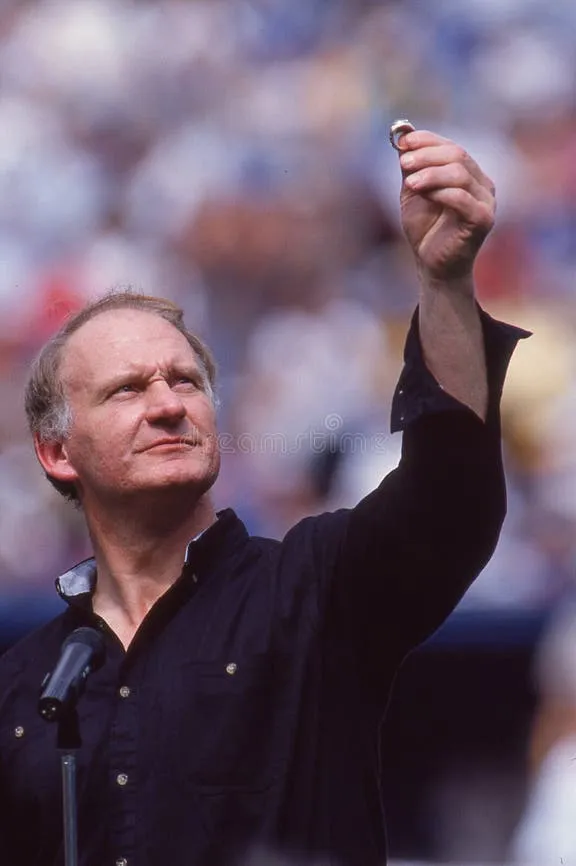 Photo: Mike Webster, via thumbs.dreamstime.com
Contrast that with today's concussion protocols, where players undergo computerized baseline testing, balance assessments, and cognitive evaluations before returning to action. Some athletes now sit out for weeks after head injuries that would have earned them a pat on the helmet and a push back onto the field just 40 years ago.
Surgery Was the Nuclear Option
In the pre-arthroscopic era, surgery was genuinely terrifying. Repairing a torn knee ligament required opening the entire joint, often leaving athletes with massive scars and months of rehabilitation. Most players chose to play through injuries rather than risk career-ending operations.
New York Yankees shortstop Tony Kubek played the entire 1961 season with a herniated disc that would require immediate surgery today. His team physician recommended rest and aspirin. Kubek's back problems eventually forced him into early retirement—a fate that could have been avoided with modern surgical techniques.
The arthroscope, which allows surgeons to repair joints through tiny incisions, wasn't widely adopted until the 1980s. Suddenly, injuries that once ended careers became minor setbacks. Tommy John surgery, now so common that pitchers joke about getting it prophylactically, didn't exist until 1974.
The Rise of Sports Science
Modern sports medicine reads like science fiction compared to its primitive origins. Today's athletes undergo biomechanical analysis, genetic testing, and real-time physiological monitoring. Teams employ specialists in everything from sleep optimization to nutrition periodization.
Platelet-rich plasma therapy, stem cell treatments, and targeted rehabilitation protocols have replaced the rubbing alcohol and wishful thinking of earlier eras. MRI machines can detect injuries before athletes even feel symptoms, while motion-capture technology identifies movement patterns that might lead to future problems.
The Human Cost of Ignorance
The transition from folk medicine to evidence-based treatment came at an enormous human cost. Legendary football coach Vince Lombardi's "no pain, no gain" philosophy wasn't just motivational—it was medical doctrine. Athletes were expected to play through injuries that we now know cause permanent damage.
Countless careers were shortened or ended by treatments that did more harm than good. Muhammad Ali's Parkinson's disease might have been preventable with modern concussion protocols. Mickey Mantle's knee problems, which plagued his entire career, stemmed from a high school football injury that was "treated" with heat and aspirin.
The Price of Progress
Today's athletes benefit from centuries of accumulated medical knowledge, but they've also lost something their predecessors possessed: the mystique of toughness. When playing through pain was the only option, athletes developed a different relationship with their bodies and their sport.
Whether that trade-off was worth it depends on your perspective. Modern players live longer, healthier lives, but they'll never know the peculiar satisfaction of rubbing dirt in a wound and getting back in the game. Progress, it turns out, sometimes comes with unexpected costs.