When the Season Ended, the Athlete Did Too: The Offseason Before Offseason Training Existed

Somewhere in Ohio in the winter of 1954, a man who had spent the previous summer playing second base for a major league baseball team was selling insurance. He wasn't rehabbing. He wasn't working with a hitting coach. He wasn't on a structured nutrition plan designed by a sports dietitian. He was sitting across a kitchen table from a young couple, explaining the difference between term and whole life coverage, and hoping his throwing shoulder would loosen up by March.
This was not unusual. This was just what athletes did.
The Seasonal Worker Model of Professional Sports
For most of the twentieth century, the professional athlete operated on a fundamentally different economic and cultural model than today. The season was the job. The offseason was, well, the off-season — time away from the job, structured like any other working American's downtime, except that the job you were taking a break from happened to involve throwing fastballs or catching touchdown passes.
Salaries in most professional sports — outside of a relatively small tier of stars — weren't sufficient to live on year-round without supplemental income. NFL players in the 1950s and '60s routinely earned between $5,000 and $15,000 per season, which sounds quaint until you realize that even adjusted for inflation, it wasn't close to life-changing money. Baseball players fared somewhat better but faced the same basic reality: you needed another income stream between October and February.
So they got jobs. Real ones. Factory work. Car sales. Coaching at local high schools. Running youth camps. Bartending. Mickey Mantle made personal appearances. Johnny Unitas sold insurance. Bob Cousy ran a travel agency. These weren't endorsement deals or brand partnerships — they were just guys trying to pay the mortgage.
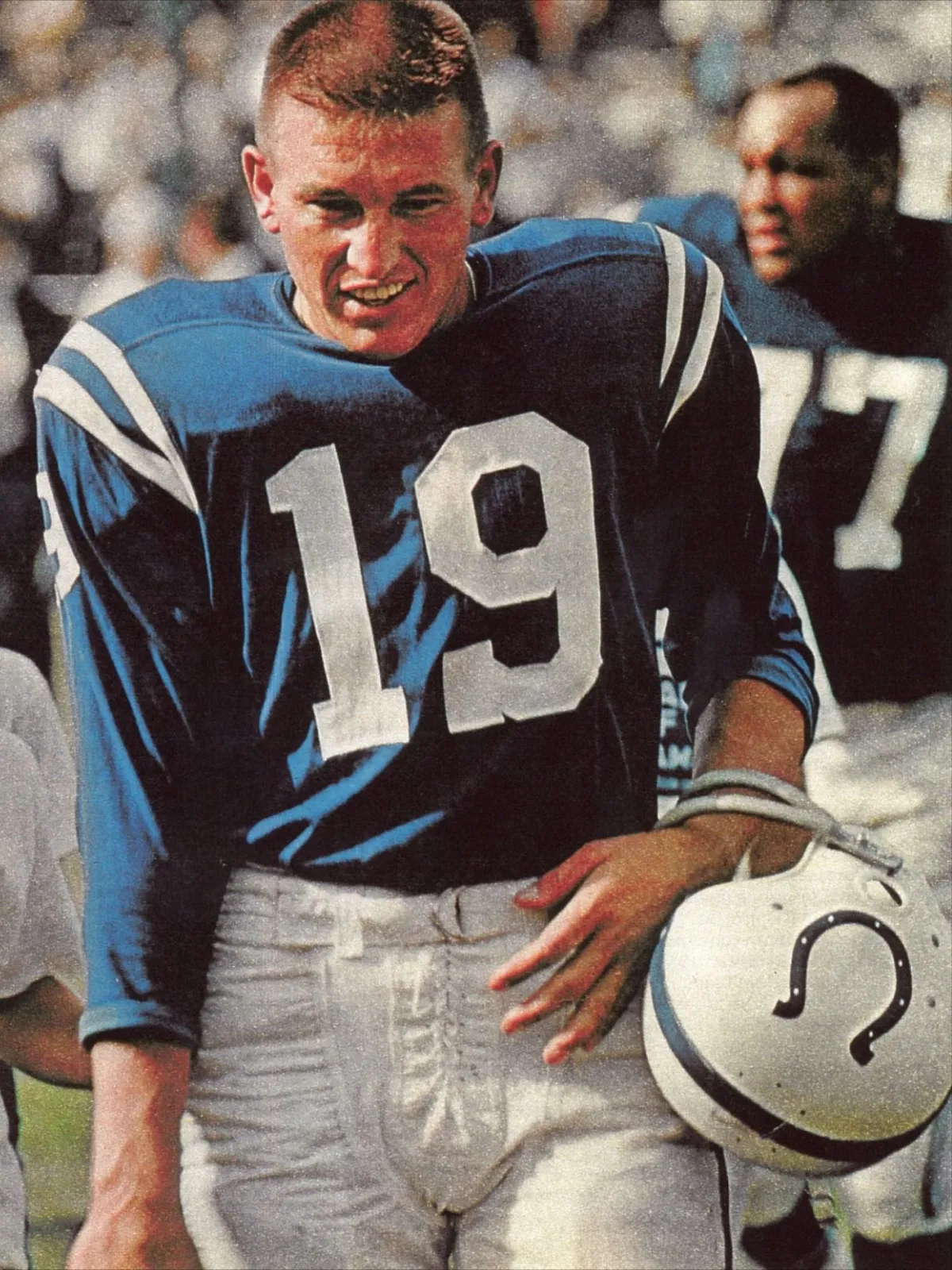 Photo: Johnny Unitas, via i.pinimg.com
 Photo: Mickey Mantle, via championshipart.com
The Body as a Seasonal Machine
The physical implications of this arrangement were significant, and almost nobody was thinking about them systematically. The idea that an athlete's body required continuous maintenance — progressive resistance training, cardiovascular conditioning, mobility work — was not yet part of mainstream sports culture. If it existed anywhere, it lived in the margins: a few obsessive weightlifters, some track coaches who'd picked up ideas from European training manuals, the occasional visionary who was mostly ignored by his peers.
The dominant philosophy, to the extent there was one, went something like this: the season conditions you, the offseason rests you, and spring training gets you back in shape. The process repeated annually, and if your body held up, you had a career. If it didn't, you retired and got into coaching or car sales full-time.
Weight gain over the winter was considered normal, even expected. Players would arrive at spring training carrying ten, fifteen, twenty extra pounds and spend the first few weeks sweating it off in Florida or Arizona. Managers complained about it every year. Players shrugged. This was the cycle.
The Slow Revolution
The shift didn't happen overnight, and it didn't happen for a single reason. Several forces converged across the 1970s, '80s, and '90s to fundamentally reimagine what an elite athlete's year looked like.
Salaries were the first and most obvious driver. As player unions gained power and free agency transformed the economics of professional sports, the financial stakes of staying in peak condition year-round became undeniable. A player worth $2 million a year had every incentive to protect that investment. A player worth $500 per game had a lot less reason to skip the holiday cookies.
Sports science arrived simultaneously, slowly at first and then all at once. Research on strength training, periodization, recovery protocols, and nutrition began filtering from academic journals into locker rooms. Teams started hiring strength and conditioning coaches — a position that barely existed before the 1970s. The idea that muscle mass was an enemy of athletic performance, which had dominated coaching culture for decades, was finally, definitively, put to rest.
And then free agency changed the competitive calculus entirely. When teams began spending enormous sums on player acquisition, they became intensely motivated to protect those assets. Structured offseason programs, mandatory conditioning requirements, and year-round access to training facilities followed naturally.
What the Modern Offseason Actually Looks Like
The contrast with the insurance-selling second baseman is almost absurd. A contemporary NBA star's offseason is a precisely engineered performance program. It includes skill development sessions with position coaches, strength and conditioning work designed around the specific demands of his role, nutritional planning calibrated to his body composition goals, and recovery modalities — cryotherapy, massage, sleep optimization — that didn't exist as commercial services twenty years ago.
Many elite players now spend more structured hours working on their craft in the offseason than they did during the actual playing season of thirty years ago. LeBron James has spoken publicly about spending over a million dollars annually on body maintenance. That number is extreme, but the underlying philosophy — that the offseason is not a break from being an athlete, but a different phase of being one — is now universal at the highest levels.
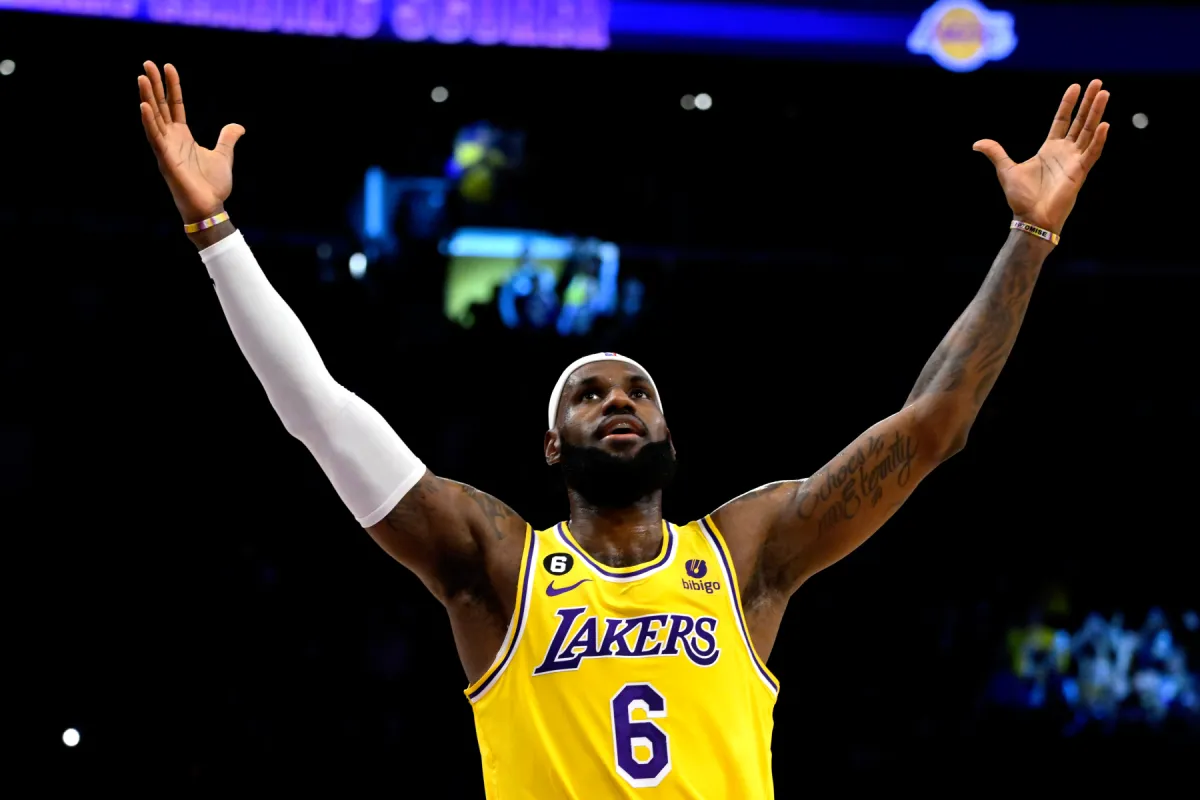 Photo: LeBron James, via www.rollingstone.com
NFL players follow similar patterns. MLB organizations run winter development programs. NHL teams monitor their players' fitness remotely. The seasonal worker model is gone, replaced by something closer to a year-round professional athlete model that would have seemed both exhausting and unnecessary to the men who played the same games sixty years ago.
What We Lost, and What We Gained
There's a temptation to frame this as pure progress — and in terms of athletic performance, it largely is. Modern athletes are bigger, faster, stronger, and more durable than their predecessors, and the year-round training culture is a significant part of why.
But something else went away too. The athlete who sold insurance in the winter was, in a very literal sense, a regular person for part of the year. He coached Little League. He went to his kids' school plays. He shoveled his own driveway. The distance between professional athlete and ordinary American was measured in months rather than light years.
That distance is now vast and growing. The modern elite athlete inhabits a world of performance optimization so specialized, so expensive, and so all-consuming that it's barely recognizable as an extension of normal human life.
Whether that's a fair trade depends on what you value. Better athletes, certainly. But the guy selling you insurance in December who also happened to be a major leaguer? That version of the world is gone, and we probably didn't notice when it left.