A Watch, a Suitcase, and a Handshake: The Age When Gifts Were Built to Outlast the Occasion
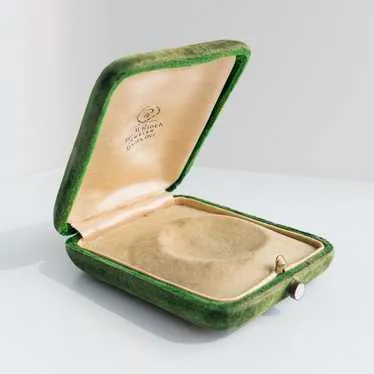
Photo: vintage graduation gift watch velvet box 1960s family celebration, via img.gem.app
Somewhere in a drawer or on a wrist or tucked into the back of a closet, there's probably a watch. Not a smartwatch with a cracked screen and a dead battery subscription. A real one — heavy, mechanical, engraved on the back with a name and a year. Maybe it was your grandfather's. Maybe it came in a velvet box at a graduation party in 1974, handed over by an uncle who didn't say much but meant everything with that gesture.
That watch was a statement. It said: you're an adult now, and here's something to prove it.
We don't really give gifts like that anymore.
What a Gift Used to Mean
For most of the twentieth century, milestone gifts in America followed an unspoken logic: they had to be useful, and they had to last. Graduates received luggage because they were heading somewhere. They got watches because time now belonged to them and their employer. Young couples received cast-iron cookware and fine china because those were things you built a household around — things you'd still be using at your fiftieth anniversary dinner.
These weren't exciting gifts in the modern sense. Nobody tore off wrapping paper and screamed. But the point wasn't a reaction. The point was permanence. The gift was a physical handoff — from one generation to the next — of something that carried weight, literally and otherwise.
A good suitcase in 1965 cost the equivalent of several weeks' wages for a working family. Giving one was serious business. It meant the giver had thought about your future, not just your Saturday.
The Slow Drift Toward Disposable
Something started shifting in the 1980s and accelerated hard through the 1990s. Consumer culture was speeding up, product cycles were shortening, and the idea of "keeping something forever" began to feel less like wisdom and more like stubbornness.
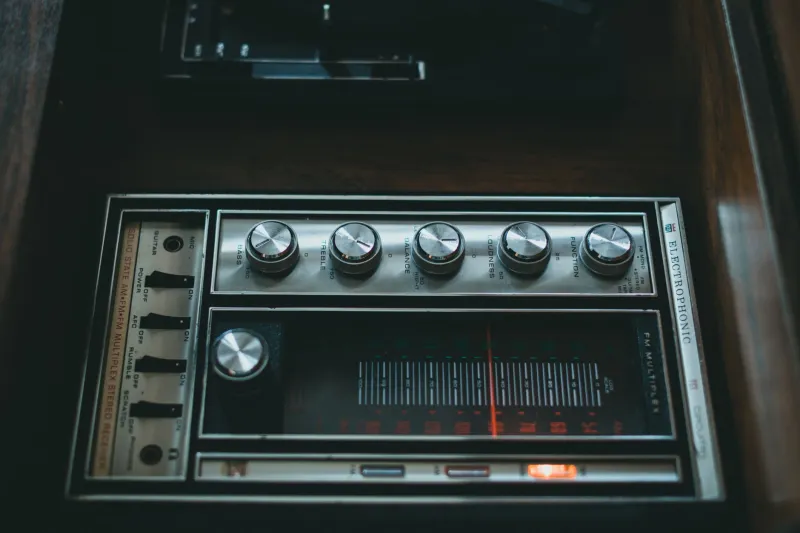
Electronics entered the gift equation and changed it completely. A stereo system, a VCR, a personal computer — these were exciting, they were modern, and they were also, by definition, temporary. Not because they broke immediately, but because something better was always coming. The implicit promise of the durable gift — this will serve you for decades — couldn't survive in a market where last year's model was already embarrassing.
By the time the smartphone era arrived, the obsolescence cycle had shrunk to roughly two years. Giving someone a gadget became an act of generosity with an expiration date baked in.
Experiences Replaced Objects
The next major shift came when experiences became the aspirational gift. Concert tickets. Weekend getaways. Cooking classes. Skydiving vouchers. The thinking made a certain kind of sense — research suggested that experiences made people happier than things, and the gifting industry was happy to agree.
But there's something worth noticing in that transition. An experience is, almost by definition, gone the moment it happens. It becomes a memory, which is valuable, but it doesn't sit on a shelf reminding you that someone believed in your future. It doesn't get passed down. It doesn't accumulate meaning over decades the way a well-made object does.
And then came the final frontier of gift-giving ambiguity: cash. Or its digital cousin, the gift card. Practical, yes. Personal, no. The gift card is the logical endpoint of a culture that stopped pretending it knew what you needed.
What the Old Way Understood
There's a reason your grandmother's china pattern still exists and your cousin's 2019 iPad doesn't. The older model of gift-giving was built around a different set of assumptions about how life worked.
People expected to stay in jobs longer. They expected to live in the same house for decades. They expected the things they owned to wear in rather than wear out. A good leather wallet, properly maintained, could last forty years. A quality set of tools could be handed from father to child. These weren't just objects — they were small inheritances, passed forward in real time.
The gift-giver of that era wasn't trying to be boring. They were trying to say something that our current gifting culture struggles to express: I see the person you're becoming, and I want to equip you for it.
We're Not Entirely Gone
It would be easy to write this off as pure nostalgia, but something interesting is happening at the edges of consumer culture. The resurgence of interest in vintage watches, cast-iron cookware, quality leather goods, and heirloom tools suggests that a lot of people are quietly hungry for things that last. The "buy it for life" corner of the internet has millions of followers. The right-to-repair movement is gaining legal ground in multiple states.
Maybe we're starting to remember something the gift-givers of earlier generations understood instinctively: that the most generous thing you can give someone isn't the most exciting thing available this season. It's something that will still be with them when this season is a distant memory.
The watch in the velvet box didn't just tell time. It told you that someone thought you were worth a permanent investment.
We could probably use a few more gifts like that.